
Transforming Minnesota's Public Health System
- Home: System Transformation
- About This Work
- Framework of Foundational Responsibilities
- Definitions, Criteria, and Standards for Fulfillment
- Joint Leadership Team
- Minn. Infrastructure Fund and Local Innovation Projects
- Governance Groups and Communities of Practice
- Data Modernization
- Regional Data Models
- Tribal Public Health Capacity and Infrastructure
- FPHR Grant: Funding for Foundational Responsibilities
- Reports, Fact Sheets, Resources
- News & Blog: Public Health System Transformation Update
- Message Toolkit
Related Sites
Contact Info
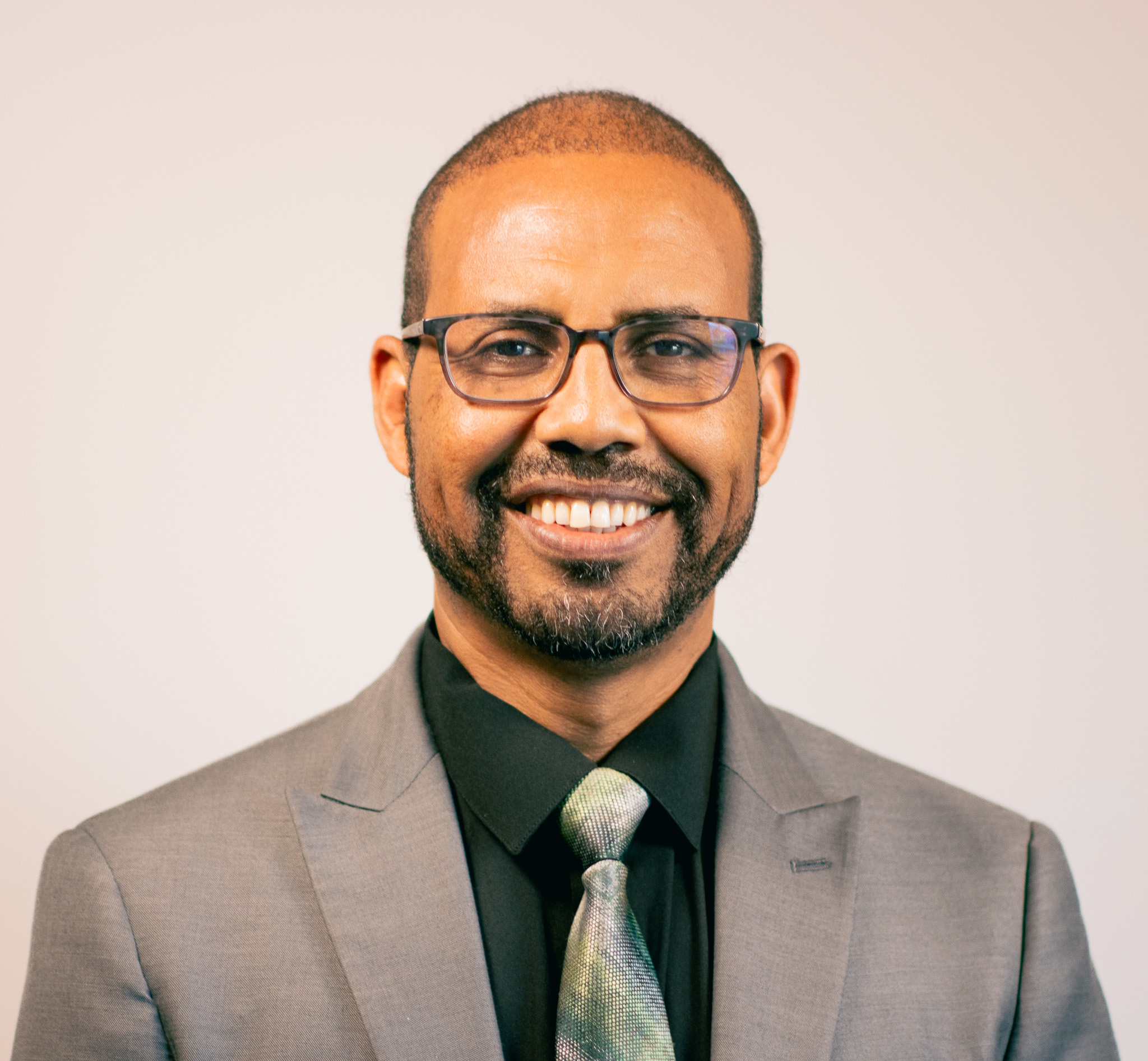
Dr. Robsan (Halkeno) Tura of the Minnesota Department of Health: How Do We Nurture, Sustain, and Transform Public Health?
Public Health System Transformation Update
Mar. 2, 2026 | View all system transformation newsletters
How do you balance the urgent and the long-term as a public health practitioner?
Earlier in my career, I might have answered this by drawing a clearer distinction, treating the urgent like triage and carving out protected time for long-term strategy. That approach still has value.
But over time I’ve come to see that, in public health, the urgent and the long-term are often intertwined. Many of today’s most pressing challenges, like strengthening the resilience of our public health workforce or ensuring the sustainability of our public health system, are both urgent and long-term. They require immediate attention, and yet also demand generational commitment to transformation.
So, for me, balance is less about separation and more about integration. It’s about asking whether urgency is signaling a deeper structural issue and whether our long-term strategies are flexible enough to respond to changing realities on the ground.
That kind of discernment takes experience, reflection, and humility. It’s something I continue to learn and refine because sustainable leadership in public health requires holding both time horizons at once.
How do you sustain yourself during times when transforming public health happens slowly?
I remind myself that systems don’t change at the speed of urgency; they change at the speed of alignment. And alignment takes time.
It’s a bit like growing a prairie: You start with soil that’s been stressed or depleted and, for a long time, nothing seems to happen on the surface. But beneath the ground, roots are taking hold. That deep, unseen growth is what eventually makes the prairie resilient, self-sustaining, and able to thrive in harsh conditions.
Public health work is also long-haul work. The policies we shape, the partnerships we build, the trust we earn in communities: those are not quick wins. They are steady investments.
What sustains me is the discipline of staying consistently and persistently engaged in building the foundation, even when progress isn’t immediately visible. I stay grounded by remaining close to community voices and frontline staff. Their persistence, insight, and lived experience renew my commitment and remind me why the work matters, especially when systems change feels slow.
I also make it a practice to recognize and celebrate small wins. Those early signals are like the first shoots above the soil—visible reminders that deeper, more durable change is already taking root.
What are your personal values? How do you see them guiding you in transforming Minnesota’s public health system?
Equity shapes how I define success. I do not see success as just whether something works, but who it works for and who it leaves out.
Integrity guides how I lead, especially when decisions are complex or politically sensitive.
Responsibility reminds me that we are stewards of systems that must serve communities long after we are gone.
Most importantly, relationships are foundational for me. I believe many of our health and social challenges begin or persist because of broken or strained relationships—between institutions and communities, between sectors, and even between people. Systems change is not only technical work; it is relational work.
Relationships sustain me. They ground the work in humanity and remind me why it matters. In the end, transformation happens not just through policy and funding, but through trust.
How do you see differences at MDH as we transform Minnesota’s public health system?
Transforming public health at MDH means moving beyond programs working in isolation, and strengthening the underlying infrastructure (data systems, workforce capacity, cross-agency alignment, and community partnerships). When those foundations are stronger, the impact reaches far beyond a single initiative, and we can focus together on changing the conditions that shape health.
What about statewide?
Statewide, one way transformation happens is when we shift from short-term grants to sustainable structures. That matters because it reduces fragmentation, improves access, and makes support more consistent for communities. The significance of it isn’t seen just in one outcome, but in building systems that are more resilient, more equitable, and better prepared for the next challenge. Transformation is what allows public health to respond today while building strength for tomorrow.
A great example is the Statewide Health Improvement Partnership (SHIP), which focuses on changing policies, systems, and surroundings (environments), rather than one-time education or short-term interventions.

Above, Becker County residents celebrate the outdoors and health at Wannigan Regional Park.
Through SHIP, Minnesota communities have implemented policies that increase access to healthy foods, created safer spaces for physical activity, strengthened protections for surroundings free from commercial tobacco, and made it easier for people to get evidence-based and community-centric care at their local health care clinics. Those changes help make the healthy choice the easier choice for people in Minnesota, rather than making people use willpower alone to be their healthiest.
In my view, what makes that significant is sustainability. When a school district adopts a healthy food policy or a city redesigns streets to improve walkability, those changes continue long after a grant ends. That’s the difference system transformation makes: it builds health into the fabric of everyday life, statewide.
What made you first want to work in public health?
I actually started my career in agriculture. Early on, I worked with HIV/AIDS orphans and in a therapeutic feeding center in Africa. That experience changed me. It opened my eyes to two powerful truths:
First, everything is public health, and public health is everything. Nutrition, income, education, housing, and social structures are all connected. The challenges I was seeing weren’t isolated; they were systemic.
Second, I saw how deeply systems shape the health and prosperity of communities. It wasn’t just about providing food or care in the moment—it was about whether policies, institutions, and relationships created real opportunities or reinforced hardship.
What motivates you now?
What motivates me now is both responsibility and possibility. The responsibility comes from knowing our decisions affect real families and communities. The possibility comes from seeing that when systems change (i.e., when policies shift, partnerships strengthen, and trust is built), lasting improvements follow.
Public health allows you to combine science, policy, and humanity. That combination continues to motivate me every day.
Dr. Robsan (Halkeno) Tura is assistant commissioner for the MDH Health Improvement Bureau. As assistant commissioner, Dr. Tura oversees health promotion and chronic disease, injury prevention and mental health, and child and family health. Dr. Tura’s favorite place to be in Minnesota is along the Mississippi river, especially in late summer and early fall: “There’s something grounding about walking near water when the air starts to cool and the leaves begin to shift.” (But winter? No, thank you.)