
Health Equity Division Newsletter - February 2026
In this newsletter:
Greetings from the Health Equity Strategy and Innovation Division
Message from the Director
CONNECT: HEAL Council welcomes new members for two-year terms
STRENGTHEN: Equitable grantmaking in action: A year of partnership and progress
AMPLIFY: COVID-19 Community Coordinators: Impact far beyond the pandemic
Greetings from the Health Equity Strategy and Innovation Division
As we share our first newsletter of the year, we want to acknowledge that 2026 has begun amid tragic and deeply upsetting events. We want to hold space for the grief, fear, and uncertainty that many in our communities are carrying, and we recognize the profound pain being felt across our state.
The past year brought many unexpected changes and hardships to our shared work to advance public health and health equity, and those challenges continue to weigh heavily. Even so, we remain steadfast in our resolve and deeply grateful for your partnership – especially as you continue to show up for communities in moments of profound need.
As we move forward, we value our collaboration more than ever and remain committed to acting with care, determination, and solidarity as we navigate this moment together.
In that spirit, we are bringing you updates on our health equity advisory council, equitable grantmaking efforts, and the final stretch of the COVID-19 Community Coordinator initiative.
[Interested in being a guest writer for a future newsletter? Email your idea to health.equity@state.mn.us and we will be in touch!]
Message from the director
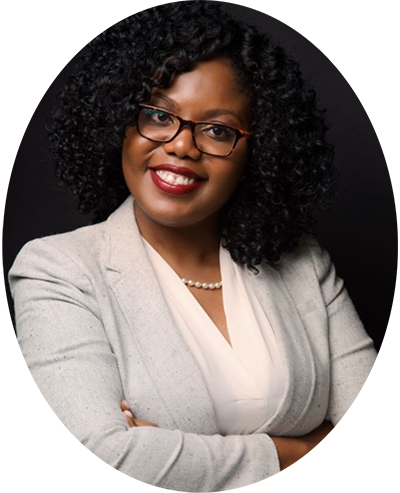 It is only February, yet this year has already brought profound challenges. We are living and working in a time of immense fear and grief across Minnesota. Heightened federal immigration enforcement activity has had serious – and, in some cases tragic – consequences for Minnesotans, creating fear, instability, and harm that extend beyond individuals to families, neighborhoods, and entire communities. These conditions have clear public health implications, particularly for immigrant, refugee, and historically marginalized communities.
We want to acknowledge and deeply appreciate the leadership of community-based partners who continue to show up with care, advocacy, and courage during this time. As public health partners, we share a responsibility to name these realities, center community wellbeing, and remain grounded in equity, dignity, and safety.
As we look ahead, it also is important to recognize the collective effort that has carried us through a challenging 2025. Across the Minnesota Department of Health, and in close partnership with communities and organizations statewide, we navigated significant transitions and constraints. This included painful staff departures and abrupt funding uncertainty that required rapid coordination and advocacy to sustain essential work through the end of this fiscal year. Throughout these challenges, our shared commitment to health equity – and to the people of Minnesota – remained strong. Community-based partnerships were especially critical in maintaining continuity, trust, and connection during this period.
Despite continued uncertainty in the funding and policy landscape, our shared direction remains clear. In the coming months, MDH will publish the Advancing Health Equity Report and begin launching a health equity focused strategic plan developed through collaboration across the agency and with partners statewide. Within the Health Equity Strategy and Innovation Division, we are finalizing and moving into implementation of a strategic focus centered on stability and sustainability; policy and systems change; equity in grantmaking and compliance; strategic community engagement and partnerships; and equity-centered communications.
Minnesota and MDH remain committed to advancing health equity. Even in uncertain times, we move forward together with intention, resilience, and shared purpose. We are grateful for your partnership and for the vital work you continue to do in communities across our state.
In solidarity,
Odichinma (Odi) Akosionu-DeSouza (she/her)
Division Director
CONNECT
We are a network hub – leading, connecting and strengthening networks of health equity leaders and partners across MDH and Minnesota communities.
HEAL Council welcomes new members for two-year terms
MDH Commissioner Dr. Brooke Cunningham recently appointed new members to the Health Equity Advisory and Leadership (HEAL) Council. Five members are returning from the previous cohort, and the remaining are new to the council.
According to state statute, the council must consist of 18 members who will advise the commissioner on health equity issues, priorities, and concerns related to:
- African American and African heritage communities
- Asian American and Pacific Islander communities
- Latino communities
- American Indian communities
- Disability communities
- Lesbian, gay, bisexual, transgender, and queer (LGBTQ) communities
- People who reside in Greater Minnesota
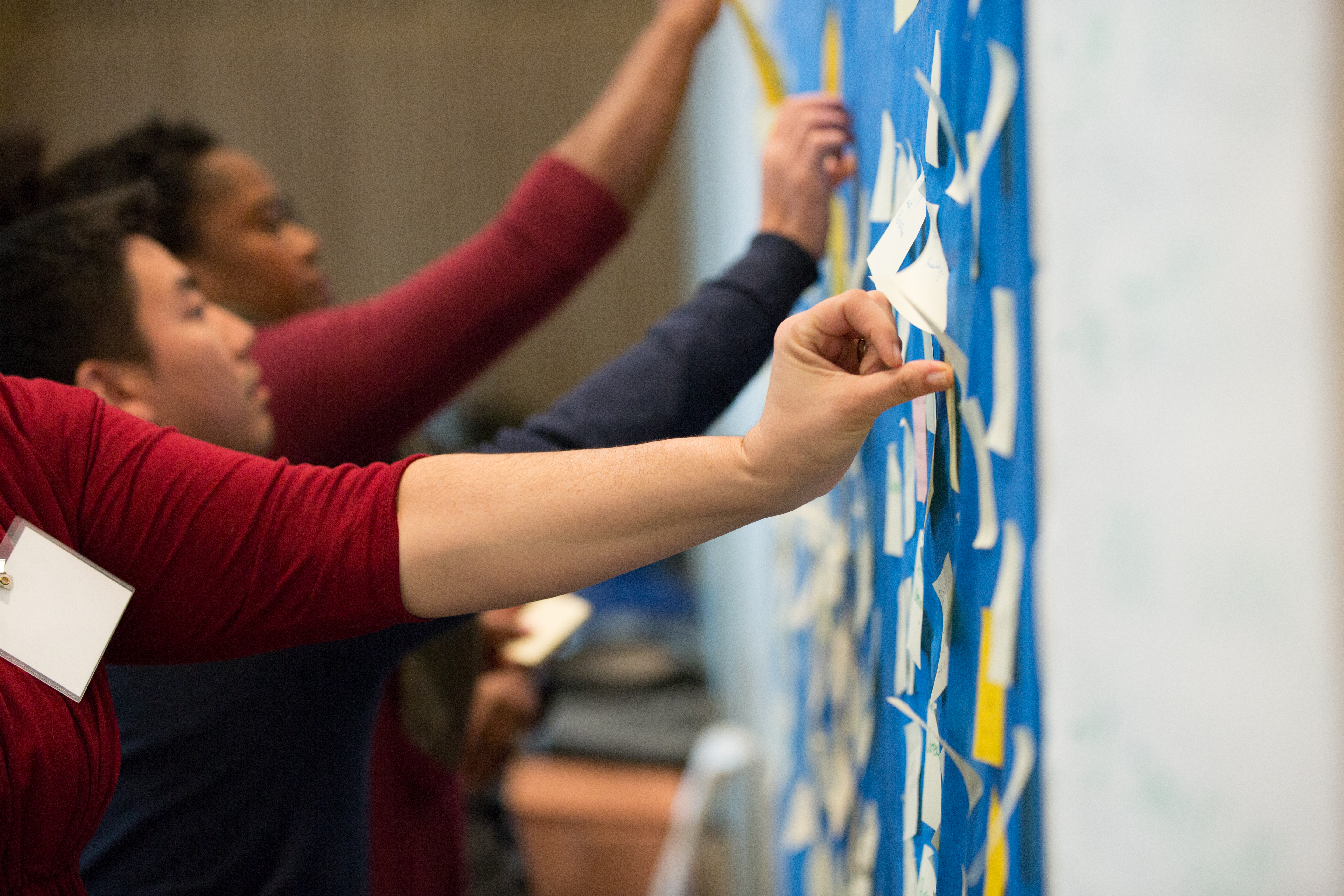
Convened by the Health Equity Strategy and Innovation Division, councilmembers meet monthly and assist MDH in efforts to advance health equity. This includes consulting on specific agency policies and programs, providing ideas and input about potential budget and policy proposals, and recommending review of agency policies, standards, or procedures that may create or perpetuate health inequities. The council is also charged with supporting MDH in developing and monitoring meaningful performance measures related to advancing health equity.
The previous cohort of councilmembers closed out their term at the end of 2025 with several key accomplishments, including a first-ever joint council event that brought together members of several equity-focused councils at MDH. The council also prepared and sent a formal letter to the commissioner (PDF) that identifies urgent health equity issues facing Minnesota, highlights populations to prioritize, explains the role of systems and systems thinking to address persistent health inequities, and provides specific recommendations for MDH moving forward.
The incoming council is expected to build on progress made by further strengthening council infrastructure and relationships across the agency, continuing cross-council collaborations, and increasing the council’s involvement in the agency’s policy and systems change work.
Current members include:
- Aaron Johnson
- Angel Hight
- Becky Timm
- Dr. Camille Brown
- Dr. Dawit Alemu
- Dr. Elizabeth Fait
- Dr. Samuel Cook
- Elizabeth Allen
- Hadija Steen Mills
- Joan Willshire
- Katherine Manlapas
- Meaza Wolde
- Monica Ibarra
- Rodolfo Gutierrez
- Shuaib Mohamed
- Siham Amedy
- Syreeta Wilkins
- Trân Huỳnh
A member orientation is scheduled to take place later this month, with regular monthly meetings beginning in March. Current council terms run through December 2027. Learn more on the Health Equity Advisory and Leadership (HEAL) Council webpage.
STRENGTHEN
We provide leadership in advancing health equity and cultivate health equity leaders within MDH and across Minnesota communities.
Equitable grantmaking in action: A year of partnership and progress
Every year, the Health Equity Strategy and Innovation Division administers and strengthens grant programs that support communities in addressing health challenges in ways that reflect local priorities, cultures, and lived experiences. For us, strengthening grant programs means ensuring resources reach the communities most impacted by inequities and that grant processes are equitable, transparent, and accountable.
Over the past year, we continued to provide comprehensive support and oversight for our 31 Eliminating Health Disparities Initiative (EHDI) grantees working across Minnesota to eliminate inequities in eight priority health areas. In close partnership with the Community Solutions Advisory Council, we also supported 21 Community Solutions for Healthy Child Development grantees advancing the wellbeing of children of color and American Indian children – from prenatal to grade three – and their families.
And this summer, we supported 21 Capacity Strengthening Initiative grantees in closing out their grants aimed at strengthening their ability to procure state grants and contracts in the future. These one-time grants established by the legislature filled a critical community need, especially given that communities most impacted by health disparities have historically had fewer investments in community resources and infrastructure to support to them.
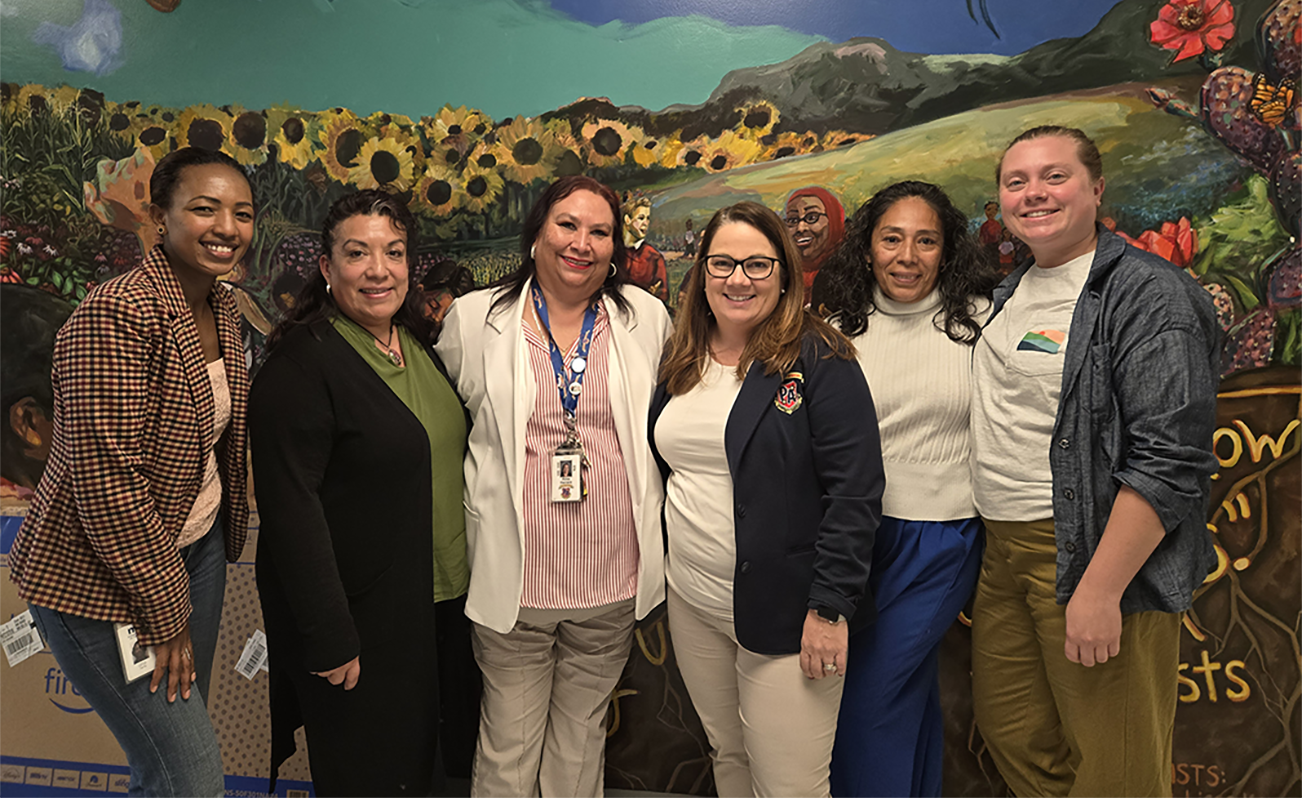
“We went from a fiscally sponsored entity to an independent nonprofit due to this grant,” one grantee shared. “We learned so much through our grant period – about working with the state, managing grants, working independently as a nonprofit, budgeting – the list is endless
To deepen relationships and better understand grantee needs, our team conducted 55 in-person or virtual site visits across the state this year. These visits create space for learning, hands-on support, and shared problem-solving, while helping ensure compliance and identify both risks and successes early.
“When we step into a community through a site visit, we see the story behind the numbers,” shared Lensa Terfa, a grant manager for the Community Solutions for Healthy Child Development program. “That understanding is what strengthens programs, builds relationships and deepens impact.”
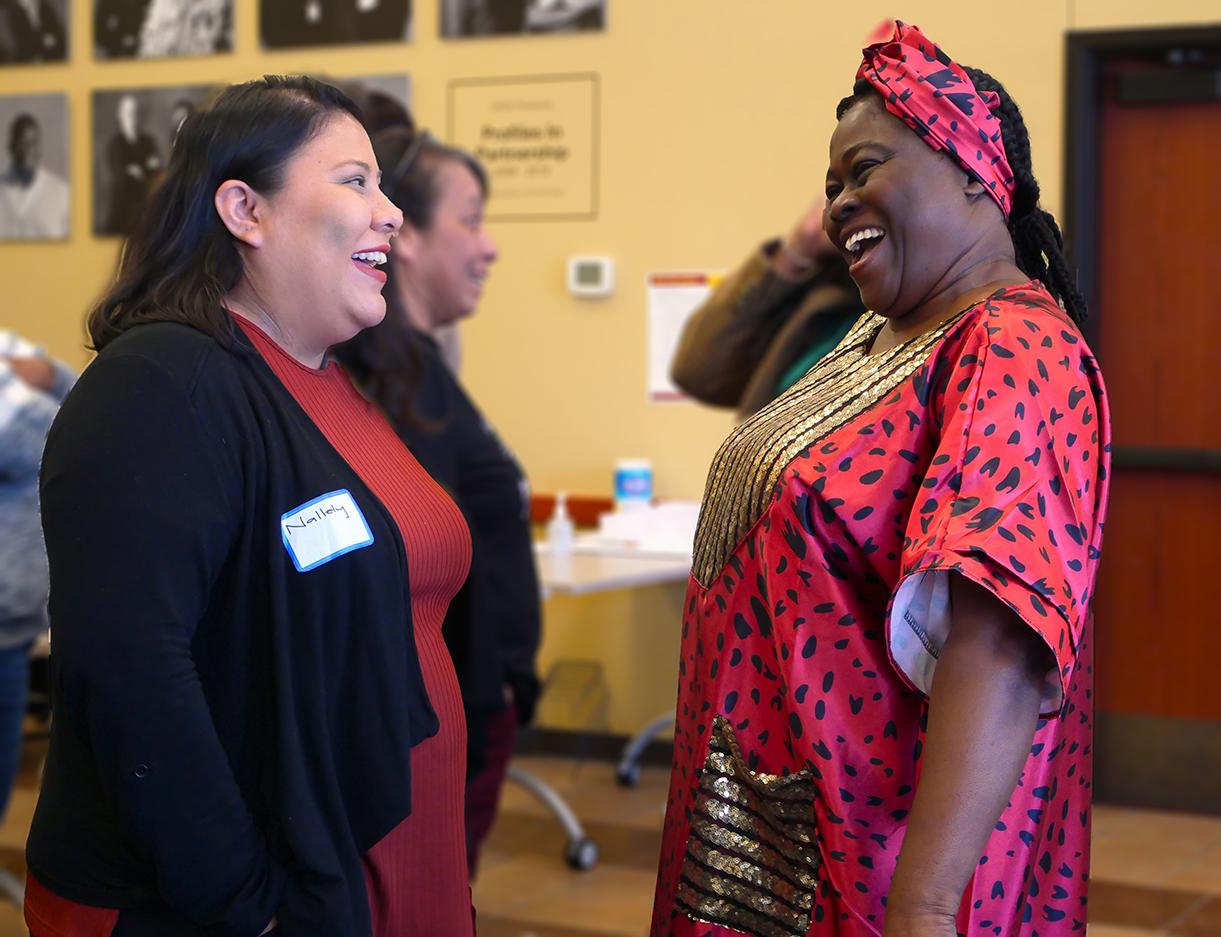
We also established new systems and structures to onboard and support seven existing grantees in launching new mental health grant initiatives funded through the federal Preventative Block Grant. These efforts are helping expand community-driven mental health supports, from developing parent education materials and training to hosting intergenerational workshops that address trauma, domestic violence, sexual abuse, suicide, and coping strategies for elders and youth.
New this year, we developed and delivered additional learning opportunities for grantees, including annual refresher sessions, financial reconciliation training, and revised grantee reference guides designed to improve clarity, strengthen compliance, and support fiscal stewardship. Grantees have reported increased skills thanks to their work with our grants team.
“Each year, our grant programs reach more than 60,000 community members and families,” said Saurav Dahal, our grants and capacity building supervisor. “With that level of impact comes a clear responsibility. As a public agency, we are committed to creating conditions that help our grantees succeed. The technical assistance, resources, and support we provide through trainings and interactions is core to our mission and is vital for building trust and strengthening relationships.”
Beyond equity-focused grant management and support, our team also partnered across MDH programs to provide consultation and capacity-building that advances equitable, compliant grantmaking practices. This includes co-facilitating monthly, agency-wide Grants Talk sessions to promote shared learning and consistency in grant practices across MDH programs.
Altogether, we hosted more than 100 grantee gatherings, drop-in sessions, and other technical assistance events – reaching over a thousand partners and fostering connection, shared learning, and collective progress toward health equity.
AMPLIFY
We amplify the work of communities most impacted by health inequities and support them to drive their own solutions.
COVID-19 Community Coordinators: Impact far beyond the pandemic
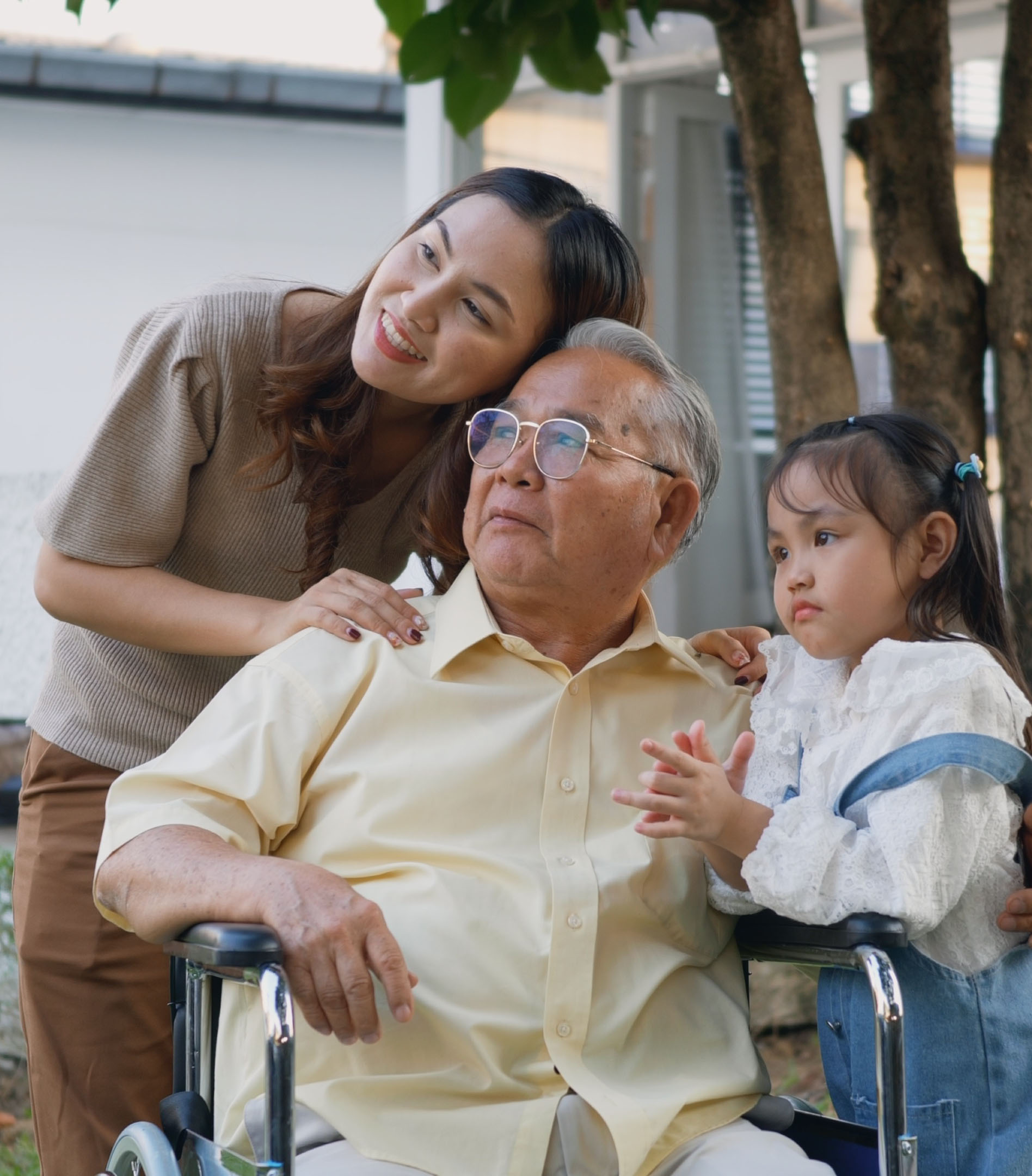
As 2026 begins, our COVID-19 Community Coordinator (CCC) partners are entering the final phase of programming before contracts end in June. Now in its sixth year, the CCC initiative has achieved high levels of community trust and engagement, despite a temporary suspension beginning in March of last year caused by the sudden loss of federal funding. Most CCC operations later resumed after funding was restored.
Launched in late 2020, the initiative supports community-based organizations in connecting Minnesota’s diverse communities with COVID-19 testing, vaccinations and other resources, while also advancing comprehensive health recovery after the pandemic. At its inception, MDH identified an urgent need for trusted community engagement and began contracting with organizations serving populations most affected by COVID-19, including communities of color, American Indian communities, LGBTQ communities, and Minnesotans with disabilities. These organizations brought deep knowledge of their communities’ cultural norms, values, and needs and served as trusted messengers during a time of rampant misinformation and mistrust in institutions.
“Beyond COVID-19 testing and vaccination, community members are most often seeking emotional support, which we provide through our healing circles,” said Drake Pow of Skellegnese, a mental health organization that offers tools and practices for self-empowerment grounded in kindness. “Many people are looking for help learning how to balance their emotions in what still feels like an unstable and uncertain world.”
Last month, three additional former CCCs resumed their contracts with MDH: Phyllis Wheatley Community Center, Metropolitan Center for Independent Living, and Hennepin Healthcare. This brings the total to 41 community coordinators statewide supporting work that addresses not only immediate health concerns but also social determinants of health like employment, food access, housing, childcare and legal rights.
“Reinstating our contract validated the trust we’ve built and allowed us to maintain outreach momentum without losing the boots-on-the-ground relationships essential to public health,” said Jacob Knaffla, independent living coordinator for Access North, a nonprofit that helps people with disabilities live independently. “Serving a 10-county, 27,000-square-mile area – larger than the state of West Virginia – requires being a consistent, trusted messenger, and we’re glad to be back in that role.”
During this final stretch, one goal Access North has is to make it easier for people to access health resources where they live. “We plan to embed staff in local community events to meet residents in their own spaces,” Jacob said. “We also want to strengthen our referral network with partner agencies to streamline the distribution of essential household supplies via our care packages and outdoor pantries."
Another example of the critical work is Hennepin Healthcare’s Aquí Para Ti (“Here for You” in Spanish), a clinic-based development program for Latino youth ages 11 to 24 and their families. The program is currently holding listening sessions on youth-focused and parent-focused healing workshops. The workshops are intended to create a shared space for community-based wellness and healing, helping participants feel supported, build resilience, and manage mental health challenges.
The CCC initiative helped build lasting relationships that strengthened the state’s readiness for future emergencies and will inform long-term public health strategies, said Dai Vu, MDH community engagement supervisor. “The initiative strengthened trust between MDH, community organizations, and the communities they serve.”
Since they first became available in 2021, the initiative has provided more than 100,000 COVID-19 vaccinations to community members across the state. And beginning in 2024, CCCs have provided health recovery services to more than 350,000 people, including mental health support, food and housing navigation, and chronic disease screening.
As the initiative enters its final stretch, the impact of the CCCs is reflected not only in the number of people served, but in the trust and relationship infrastructure built across Minnesota’s communities. By centering culturally responsive outreach and meeting people where they are, CCCs have laid a foundation that extends beyond the pandemic, strengthening community capacity and informing how public health partners respond to future challenges.
To learn more, visit the COVID-19 Community Coordinator webpage.