Secondary menu

  • About Us
  • News & Stories
  • Translated Materials
Minnesota Department of Health logo
  • Data, Statistics, and Legislation

    Data, Statistics, and Legislation

    Statistical reports, health economics, policy, and legislation.
    Data, Statistics, and Legislation
    • Community Health
    • Diseases and Conditions
    • Environmental Health
    • Health Behaviors and Risk Factors
    • Health Care Cost and Quality
    • Reporting and Exchanging Data
    • Legislation and Policy
  • Diseases and Conditions

    Diseases and Conditions

    A-Z disease listing, diseases and conditions by type.
    Diseases and Conditions
  • Health Care Facilities, Providers, and Insurance

    Health Care Facilities and Providers

    Directories of facilities, professional certifications, health insurance and patient safety.
    Health Care Facilities and Providers
    • Facility Certification, Regulation and Licensing
    • Insurance
    • Health Information Technology
    • Provider Certifications, Licenses, Registrations and Rosters
    • Patient Health and Safety
    • Health Care Homes
    • Notices Related to Health Records
    • Rural Health and Primary Care
    • Trauma System
  • Healthy Communities, Environments, and Workplaces

    Healthy Communities, Environments, and Workplaces

    Indoor air and drinking water quality, community prevention and emergency preparedness.
    Healthy Communities, Environments, and Workplaces
    • Community Wellness and Health Equity
    • Healthy Schools and Child Care
    • Healthy Businesses and Workplaces
    • Local Public Health
    • Environments and Your Health
    • Safety and Prevention
    • Emergency Preparedness and Response
    • Equitable Health Care Task Force
    • Transforming the Public Health System in Minnesota
  • Individual and Family Health

    Individual and Family Health

    Birth records, immunizations, nutrition and physical activity.
    Individual and Family Health
    • Vital Records and Certificates
    • Disabilities and Special Health Needs
    • Disease Prevention and Symptom Management
    • Healthy Aging
    • Healthy Children, Youth and Adolescents
    • Mental Health and Well-being
    • Reproductive Rights and Protections in Minnesota
    • Women and Infants
MDH Logo

Breadcrumb

  1. Home
  2. Healthy Communities, Environment and Workplaces
  3. Environments and Your Health
  4. Water and Health
  5. Clean Water Fund Initiatives At The Minnesota Department of Health
Topic Menu

Clean Water Fund

  • Background
  • Contacts

MDH Legacy Initiatives

  • Clean Water Fund Home
  • Contaminants of Emerging Concern
  • Groundwater Protection Initiative - Accelerated Implementation Grant
  • Groundwater Restoration and Protection Strategies (GRAPS)
  • Pathogen Project
  • Private Well Protection
  • Source Water Protection Planning and Grants
  • Water Reuse

Related Topics

  • Minnesota Well Index
  • Drinking Water Protection
  • Source Water Protection
  • Health Risk Assessment
  • Wells and Borings

Environmental Health Division

  • EH Division Home

Clean Water Fund

  • Background
  • Contacts

MDH Legacy Initiatives

  • Clean Water Fund Home
  • Contaminants of Emerging Concern
  • Groundwater Protection Initiative - Accelerated Implementation Grant
  • Groundwater Restoration and Protection Strategies (GRAPS)
  • Pathogen Project
  • Private Well Protection
  • Source Water Protection Planning and Grants
  • Water Reuse

Related Topics

  • Minnesota Well Index
  • Drinking Water Protection
  • Source Water Protection
  • Health Risk Assessment
  • Wells and Borings

Environmental Health Division

  • EH Division Home
Contact Info
Drinking Water Protection Program
651-201-4700
health.drinkingwater@state.mn.us

Contact Info

Drinking Water Protection Program
651-201-4700
health.drinkingwater@state.mn.us

Pathogen Project
Clean Water Fund

Clean Water Fund logo

Groundwater is the drinking water source for 75% of Minnesotans. While public water systems are regularly inspected and tested for many contaminants, we have limited information about pathogen occurrence in groundwater and its effects on public health. Pathogens are microbes that can make someone sick, such as bacteria or viruses. Pathogens can get into wells when feces from leaky sewer lines, septic systems, livestock operations, or wildlife are able to get into the groundwater or directly into the well.

A study on pathogens in groundwater was requested by the Minnesota Legislature and is funded through the Clean Water Fund. This study was previously called the “Minnesota Groundwater Virus Monitoring Study.” MDH now refers to the study as the “Pathogen Project” because we sampled for multiple kinds of pathogens, not just viruses.

Project results

Study results from earlier phases of this project suggest that groundwater sources are more susceptible to pathogen contamination than previously thought. In the last phase of the project, MDH investigated the most likely sources and pathways of pathogen contamination. MDH examined the timing of pathogen contamination relative to groundwater recharge events such as precipitation or snowmelt. Learning about the sources, pathways, and timing of pathogen contamination helps us better understand how to protect drinking water sources and public health. Read more:

  • Temporally dense monitoring of pathogen occurrence at four drinking-water well sites — insights and implications
  • Recharge Monitoring Study - Final Report (PDF)
  • Recharge Monitoring Study - Executive Summary (PDF)

To read a brief overview of the major findings and conclusions of the Recharge Monitoring Study, check out the Pathogen Project Info Sheet (PDF).

About the pathogen project

The project included two activities that will help MDH understand and reduce the public health risk from pathogens in groundwater.

Water Monitoring – sampling to see if pathogens are in the groundwater and develop tools to predict pathogens without expensive and difficult testing

  • Pathogens in Public Drinking Water Wells (PDF)

Community Illness Study – participants in study communities kept a diary of symptoms and activities to link illness with pathogens in water

  • Minnesota Water and Virus Evaluation (WAVE) Study
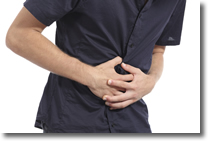
Person in a laboratoryPerson sick to his or her stomach

Pathogens and health

  • People who drink water contaminated with pathogens may become sick with an illness that causes diarrhea and vomiting, such as hepatitis A or gastroenteritis.
  • Data from national surveys estimate that 30 percent of drinking water wells may be contaminated with viruses that can infect humans.
  • How many people get sick from pathogens in drinking water is unknown.

What protects Minnesotans from pathogens in drinking water?

  • Source Water Protection identifies and manages threats to drinking water sources, such as leaky sewer lines or septic systems.
  • Minnesota’s public water supply systems are tested on a regular basis for bacteria to ensure they meet drinking water standards.
  • MDH provides assistance to private well owners on preventing pathogen contamination, testing wells, and disinfecting wells.

Reference

U.S. EPA (U.S. Environmental Protection Agency). 2006c. Occurrence and Monitoring Document for the Final Ground Water Rule (PDF) (EPA Publication 815-R-06-012, accessed June 2, 2015)

Tags
  • environment
Last Updated: 10/18/2024
  • Facebook
  • X
  • Instagram
  • LinkedIn
  • Youtube

About MDH

  • About Us
  • Grants and Loans
  • Advisory Committees

Legal & Accessibility

  • Privacy Policy
  • Equal Opportunity
  • Feedback Form

Careers at MDH

This is an official website of the State of Minnesota. Visit Minnesota.gov for more information.