
Secondary menu

  • About Us
  • News & Stories
  • Translated Materials
Minnesota Department of Health logo
  • Data, Statistics, and Legislation

    Data, Statistics, and Legislation

    Statistical reports, health economics, policy, and legislation.
    Data, Statistics, and Legislation
    • Community Health
    • Diseases and Conditions
    • Environmental Health
    • Health Behaviors and Risk Factors
    • Health Care Cost and Quality
    • Reporting and Exchanging Data
    • Legislation and Policy
  • Diseases and Conditions

    Diseases and Conditions

    A-Z disease listing, diseases and conditions by type.
    Diseases and Conditions
  • Health Care Facilities, Providers, and Insurance

    Health Care Facilities and Providers

    Directories of facilities, professional certifications, health insurance and patient safety.
    Health Care Facilities and Providers
    • Facility Certification, Regulation and Licensing
    • Insurance
    • Health Information Technology
    • Provider Certifications, Licenses, Registrations and Rosters
    • Patient Health and Safety
    • Health Care Homes
    • Notices Related to Health Records
    • Rural Health and Primary Care
    • Trauma System
  • Healthy Communities, Environments, and Workplaces

    Healthy Communities, Environments, and Workplaces

    Indoor air and drinking water quality, community prevention and emergency preparedness.
    Healthy Communities, Environments, and Workplaces
    • Community Wellness and Health Equity
    • Healthy Schools and Child Care
    • Healthy Businesses and Workplaces
    • Local Public Health
    • Environments and Your Health
    • Safety and Prevention
    • Emergency Preparedness and Response
    • Equitable Health Care Task Force
    • Transforming the Public Health System in Minnesota
  • Individual and Family Health

    Individual and Family Health

    Birth records, immunizations, nutrition and physical activity.
    Individual and Family Health
    • Vital Records and Certificates
    • Disabilities and Special Health Needs
    • Disease Prevention and Symptom Management
    • Healthy Aging
    • Healthy Children, Youth and Adolescents
    • Mental Health and Well-being
    • Reproductive Rights and Protections in Minnesota
    • Women and Infants
MDH Logo

Breadcrumb

  1. Home
  2. Diseases and Conditions
  3. Viral Hemorrhagic Fevers (VHFs)
Topic Menu

Viral Hemorrhagic Fevers (VHFs)

  • Viral Hemorrhagic Fevers (VHFs)
  • Reporting Viral hemorrhagic fever

Related Topics

  • Ebola
     
  • High Consequence Infectious Disease (HCID)
  • Bioterrorism Diseases
  • Mosquitoborne Diseases
  • Tickborne Diseases
  • Foodborne Illness Home
  • Waterborne Illness
  • Infectious Diseases A-Z
  • Reportable Infectious Diseases

Viral Hemorrhagic Fevers (VHFs)

  • Viral Hemorrhagic Fevers (VHFs)
  • Reporting Viral hemorrhagic fever

Related Topics

  • Ebola
     
  • High Consequence Infectious Disease (HCID)
  • Bioterrorism Diseases
  • Mosquitoborne Diseases
  • Tickborne Diseases
  • Foodborne Illness Home
  • Waterborne Illness
  • Infectious Diseases A-Z
  • Reportable Infectious Diseases
Contact Info
Infectious Disease Epidemiology, Prevention and Control Division
651-201-5414
IDEPC Comment Form

Contact Info

Infectious Disease Epidemiology, Prevention and Control Division
651-201-5414
IDEPC Comment Form

Viral Hemorrhagic Fevers (VHFs) Fact Sheet
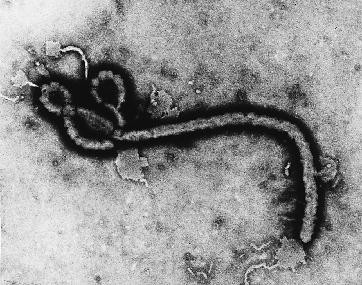
Ebola

On this page:
What are viral hemorrhagic fevers?
How do you get these diseases?
Can you get these diseases from other people?
Why are these diseases considered possible weapons?
Can VHFs be treated?
Can these diseases be prevented?
What should I do if I think I may have been exposed to a VHF?

  • Download PDF version formatted for print: Viral Hemorrhagic Fevers (VHFs) - English (PDF)
    • Amharic (PDF)
    • Arabic (PDF)
    • Hmong (PDF)
    • Khmer (PDF)
    • Laotian (PDF)
    • Oromo (PDF)
    • Russian (PDF)
    • Serbo-Croatian (PDF)
    • Somali (PDF)
    • Spanish (PDF)
    • Vietnamese (PDF)

What are viral hemorrhagic fevers?

Viral hemorrhagic fevers (VHFs) are a group of diseases caused by several different viruses. These diseases affect several of the body’s organ systems at the same time. They damage the blood vessels, and interfere with the body’s ability to regulate itself.

Some VHFs are relatively mild, but others can be fatal. They often cause bleeding, along with other symptoms. The bleeding itself rarely causes death.

There are a number of VHF viruses that could be used as weapons. They include

  • Ebola
  • Marburg
  • Lassa
  • New World arenaviruses
  • Machupo (Bolivian hemorrhagic fever)
  • Junin (Argentine hemorrhagic fever)
  • Guanarito (Venezuelan hemorrhagic fever)
  • Sabia (Brazilian hemorrhagic fever)
  • Rift Valley Fever
  • Yellow Fever
  • Kyasanur Forest disease virus
  • Omsk hemorrhagic fever

How do you get these diseases?

In nature, people get VHFs from infected ticks, mosquitoes or rodents. People can be infected when they come in contact with urine, feces and other material from an infected rodent. People can also get a VHF from the bite of a mosquito or tick, or by crushing an infected tick. In some cases, it isn’t clear how people became infected.

Can you get these diseases from other people?

Some types of VHF viruses – including Ebola, Marburg and Lassa – can be spread from person to person. They are spread through close contact with infected people or their body fluids. People can also be infected through contact with contaminated objects like needles or syringes.

Why are these diseases considered possible weapons?

Some VHF viruses – including Ebola, Marburg, Lassa, yellow fever and some New World arenaviruses – can be prepared in liquid form. Then they can be released into the air and used to infect people. Other VHFs – including Rift Valley fever – have caused infection when released into the air in the laboratory.

The former Soviet Union developed the Marburg virus for use as a weapon, and conducted research on Ebola, Lassa, Rift Valley fever, yellow fever and New World arenaviruses. The U.S. has done research on all of these viruses, except Marburg and Ebola. North Korea is believed to have developed the yellow fever virus as a weapon.

Can VHFs be treated?

Anti-virus drugs can be used to treat some VHFs. Supportive care and treatment of symptoms are important for all of these diseases.

Can these diseases be prevented?

Vaccines are available for some VHFs, including yellow fever. Vaccine research is being done on other VHF viruses. In areas where these diseases are found in nature, efforts to control mosquitoes and ticks can help prevent some kinds of VHFs.

What should I do if I think I may have been exposed to a VHF?

If you’d been exposed to a VHF, it’s not likely that you would know it. However, if you’re concerned about it, talk to your doctor immediately. If you see any suspicious situations or activity in your community – including possible use of disease germs as weapons – alert your local law enforcement agency.


Tags
  • viral hemorrhagic fevers (VHFs)
Last Updated: 07/02/2025
  • Facebook
  • X
  • Instagram
  • LinkedIn
  • Youtube

About MDH

  • About Us
  • Grants and Loans
  • Advisory Committees

Legal & Accessibility

  • Privacy Policy
  • Equal Opportunity
  • Feedback Form

Careers at MDH

This is an official website of the State of Minnesota. Visit Minnesota.gov for more information.