
Mental Wellbeing and Resilience Learning Community
Last Tuesday of each month from 10 a.m. - Noon
The Minnesota Department of Health leads a monthly learning opportunity for anyone who is interested in building resilience and promoting mental wellbeing.
- Learn: About effective wellbeing strategies and practical implementation steps from communities across Minnesota.
- Dream: About creating thriving communities, families and youth.
- Plan: Community and state action plans. Develop opportunities to partner with people in your community who are interested mental wellbeing and resilience.
Details: These statewide learning sessions are held online via WebEx.
Webinars spotlight innovative strategies to promote mental well-being and resilience, emphasizing community-based and community-driven initiatives. Gatherings include practice discussions, sharing similar efforts in your location, relevant research or resources, networking, and planning next steps.
Registration: See registration links for each session below.
Learning Community Resources:
Subscribe to the Mental Wellbeing and Resilience Listserv for monthly announcements.
Upcoming Learning Sessions
Building Belonging: Queermunity Collaborative and the Power of Third Space for LGBTQIA+ Mental Wellbeing
Tuesday, October 27
10:00 a.m. - Noon
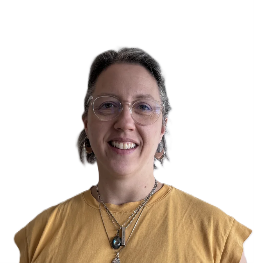
Hilary Otey, Co-Founder, Queermunity
Approximately half a million Minnesotans identify as Lesbian, Gay, Bisexual, Transgender, Queer/Questioning, Intersex, Asexual, and Two-Spirit (LGBTQIA2S+), yet Minnesota has never had an LGBTQIA2S+ community center. Queermunity opened in Minneapolis in 2024 to help fill that gap. It's a third space where LGBTQIA2S+ people of every age can connect, find support, and belong. Queermunity now serves about 30,000 people a year, both in person and virtually, and has a holistic, biopsychosocial approach to wellbeing and space making. Its programs range from social groups for young adults and aging adults to identity-focused support groups and health services offered by community partners. Co-founder Hilary Otey will share how the space was built, staffed, and funded, and how the community shaped it. Participants will leave with practical steps for creating belonging in their own communities and ways to partner with Queermunity across Minnesota.
PULSE for teens: A peer mentoring model to address day-to-day stress and challenges
NEW DATE: Tuesday, September 22, 2026
10 a.m. – Noon
Register for PULSE for teens: A peer mentoring model to address day-to-day stress and challenges

Dr. Madeleine Gagnon, PULSE Founder, Pediatrician, Family Mediator
PULSE for teens was created to address the gaps in resources available to help young people manage daily stressors. PULSE mentorship offers free 1:1 support for teens ages 12-18, pairing them with a carefully selected college ambassador. Mentors meet with teens one to two times per month virtually. There are also opportunities for teens to participate in group conversations that cover a range of topics relevant to life as a teen today, from friendships, school, stress, and motivation. Teens receive guidance, perspective, and real-world insights. Conversations are virtual, allowing young people from most parts of Minnesota to participate. Learn about this process, youth and ambassador experiences, and enrollment opportunities.
Beyond Loss: A Multicultural Approach to Immigrant Grief and Community Healing
Tuesday, August 25, 2026
10 a.m. – Noon
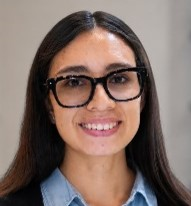
Lisbeth Samaniego, Co-founder, Wellness Center Mental Health LLC

Gabriela Guzman, Co-founder, Wellness Center Mental Health LLC
Migration often involves more than leaving a place—it can mean grieving the loss of family, community, language, identity, routines, and a sense of belonging. This presentation will explore immigrant grief as a frequently overlooked yet deeply impactful experience that affects emotional well-being, relationships, and community health. Drawing from community-based work with immigrant and multicultural populations in St. Paul and Mankato, participants will learn how support groups can create spaces for connection, healing, resilience, and collective care. The session will provide practical strategies for recognizing migration-related grief, fostering culturally responsive support, and strengthening protective factors that help individuals and communities navigate loss while building meaningful connections and hope. Participants will also learn about how community organizations are partnering to create and sustain healing spaces like this.
Empowering communities: Implementing WHO community-based mental health interventions
Tuesday, July 28, 2026
10 a.m. – Noon
Traci Marciniak, President, Miller-Dwan Foundation/ArcaMind
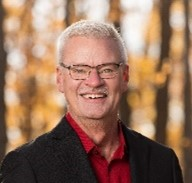
Rick Gertsema, Senior Mental Health Advisor, ArcaMind Global Institute for Mental Health Solutions
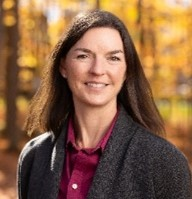
Annie LaTour Schwartz, ArcaMind Program Manager, ArcaMind Global Institute for Mental Health Solutions
The ArcaMind Global Institute for Mental Health Solutions, an affiliate of the Duluth-based Miller Dwan Foundation, is working to help communities across Minnesota promote mental health by implementing several proven World Health Organization community-based mental health interventions including:
- Early Adolescent Skills for Emotions (EASE) for youth and caregivers
- Problem Management Plus (PM+) for groups and individuals
- Self Help Plus (SH+), a scalable stress management course
These programs are designed to be delivered by trained community members, such as school staff, community health workers, librarians, college students, youth workers, and other trusted community members. Initial implementation in the U.S. has demonstrated meaningful impact, including significant declines in anxiety and depression, as well as reduced demand on traditional clinical referral systems. Efforts are underway to adapt the models for diverse contexts, from language modifications to creative integration of digital tools.
Join us to learn about ArcaMind’s menu of services, including its current EASE pilot program at a Duluth-based charter school and discover how your community or organization can implement these evidence-based mental health solutions.
IndigeFit Kids Campaign supporting digital wellbeing among Native youth
Tuesday, June 30, 2026
10 a.m. - Noon
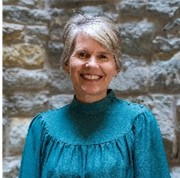
Katherine Myers, Executive Director and Co-Founder, LiveMore ScreenLess
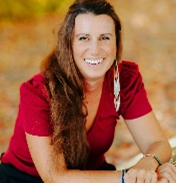
Emily Geray, Director of Youth Engagement, LiveMore ScreenLess

Annie Bell, Assistant Director of Research and Operations, LiveMore ScreenLess
Join us for an inspiring conversation celebrating the momentum and heart behind IndigeFit Kids Campaign, a partnership between LiveMore ScreenLess and the Shakopee Mdewakanton Sioux Community’s (SMSC) to support digital wellbeing for and with Native youth. Learn insights from the Circle Keeper Digital Wellbeing Facilitators along with the poignant themes from our Native Youth Sharing Circles and Listening video. Get a glimpse into our recent Educator and Youth Professional workshop and the digital wellbeing movement in action, showcasing what's possible when we begin by listening and holding space for young people to share their lived experience. This session is both a celebration of what we are building in community and an open invitation to dream bigger, listen in, and center youth voice. We welcome you to learn about our Youth Leadership Pathway and invite Native youth in your circle to an upcoming Youth Summit, where the next chapter of digital wellbeing leadership is being created by young people. Come be part of it.
Nature as Healer: Activating Parks for Mental Wellbeing and Physical Activity
Tuesday, May 26, 2026
10 a.m. – Noon
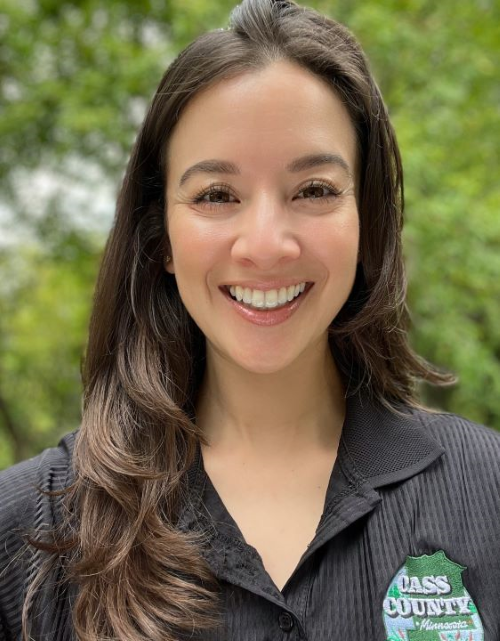
Selena Roque, Statewide Health Improvement Partnership Coordinator, Cass County Health, Human & Veterans Services
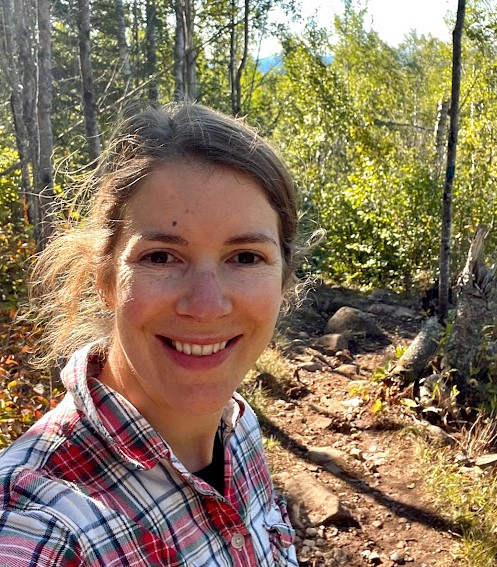
Arielle Courtney, Partnership Development Consultant, Minnesota Department of Natural Resources
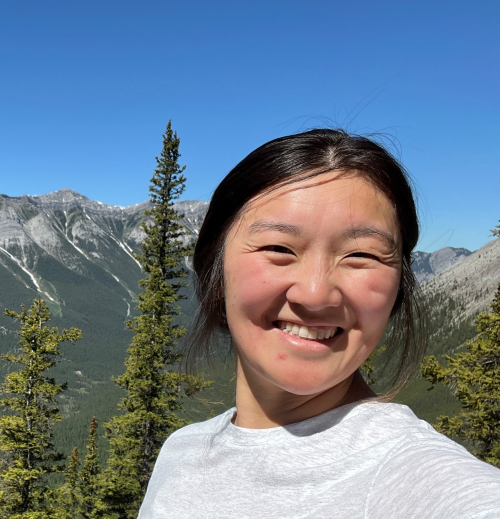
Chrissy Doron, Governor’s Children’s Cabinet Coordinator, State of Minnesota
In 2025, Cass County collaborated with Deep Portage Learning Center and Boreal Bliss Yoga Retreats to create a publicly accessible mindfulness walking trail that promotes physical activity, reduces stress, and normalizes emotional health. Together, they transformed natural space into a powerful tool for mental wellbeing by incorporating thoughtfully placed signage that guides visitors through simple mindfulness and emotional regulation practices, making wellbeing accessible to all ages. Join us to learn how this team built strong cross-sector partnerships, designed low-cost, high-impact mindfulness experiences, and leveraged local assets and funding to support implementation in their community. You’ll also hear about the Children’s Outdoor Bill of Rights, a statewide collaboration focused on expanding opportunities for children and youth to actively engage in nature. Leaders will share an overview of the initiative, recent successes, and ways communities can get involved in this Governor’s Children’s Cabinet effort.
Music across Minnesota Mental Health Initiative
Tuesday, April 28, 2026
10 a.m. – Noon
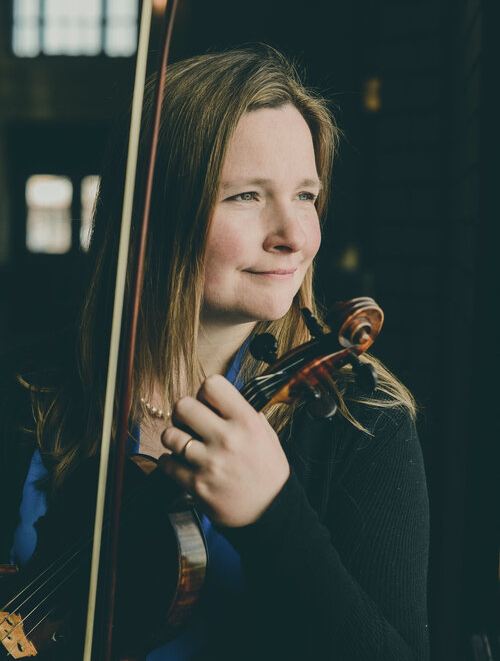
Mary Larew, Executive Director, Laurel School of Music
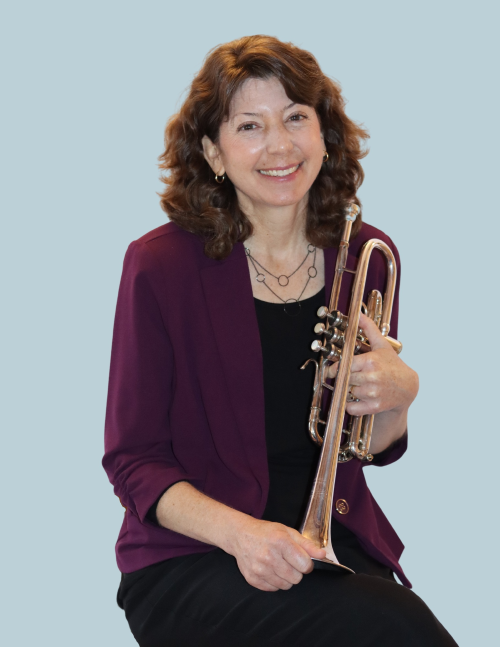
Amy Schendel, Instructor and Program Coordinator, Laurel School of Music
The Music Across Minnesota (MAM) program is a pre-K-12 music and mental health initiative through the Laurel School of Music. The program began in 2023 by connecting rural Minnesota students and students attending Title I schools to free online music lessons with instructors from the Laurel School of Music. Pre-K students from around the state were given the opportunity to join a free online weekly pre-K music class taught by a Laurel School of Music instructor. The MAM program sought to enrich students' mental wellbeing through music and quickly expanded from 2024-2025 to include greater opportunities and involve more students from all over the state of Minnesota. Since June 2025, the Laurel School of Music has continued with select initiatives on a smaller scale.
Addressing educator burnout crisis through systems change
Tuesday, Mar 31
10 a.m. – noon
Cheryl Holm Hansen, Ph.D. (she/her)
Co-Director
Midwest Center for School Mental Health

Mark Sander, PsyD, LP (he/him)
Co-Director
Midwest Center for School Mental Health
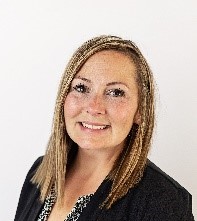
Aubrie Hoover, MS, RD (she/her)
Regional Manager of Behavioral and Mental Health Services
Northeast Service Cooperative
K–12 educators and school staff are facing an unprecedented mental health crisis. Nationally, they are the most burned-out profession in the U.S., with a 2022 Gallup survey reporting that 44% of school staff experience symptoms of burnout. The consequences are far-reaching: burnout negatively affects educators’ decision-making, sense of purpose, and, most critically, their relationships with students. In 2022 the Northeast Service Cooperative and Midwest Center for School Mental Health launched an initiative to build awareness across partner districts about the breadth and impact of educator burnout. Regional data gathered from 16 school districts with over 1,700 respondents, indicated even higher levels of educator burnout in Northeast Minnesota, with over 50% of educators reporting burnout. Both agencies have continued to support districts working to address school staff burnout through development of training and discussions for school staff and district leadership to identify potential root cause solutions to educator burnout. Equipped with the data and collective input, including a wide array of potential strategies, they are launching a resource guide and toolkit to support intentional policy and systems changes in schools. They will be evaluating the impact of these strategies and school change processes. Learn about the data, their insights to date, next steps, and how your district or region might begin to address educator burnout. Midwest Center for School Mental Health and Northeast Service Cooperative.
ABUSUA Healing Circles: A traditional approach to collective wellbeing among Black families
Tuesday, Feb. 24
10 a.m. – noon 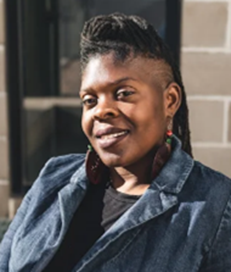
Ayolanda Bandele (she/her)
Co-founder, Embodied Education and Innovation Director
Black Family Blueprint
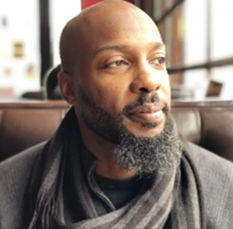
Mujasi Bandele (he/him)
Co-founder, Research and Curriculum Director
Black Family Blueprint
Black mental health is deeply affected by systemic stressors such as racism, economic hardship, and intergenerational trauma. Despite rising suicide rates, Black Americans remain significantly underserved and struggle to access culturally responsive care.
In 2023, Black Family Blueprint implemented a project called Afrocentric Bonding Using Somatic Understanding of Attachment (ABUSUA) in attempt to create a space to effectively address the mental health of our families. The project became a creative research-in-practice that resulted in an unconventional method of therapeutic space but does not qualify as “therapy.” ABUSUA Healing Circles, though not necessarily therapy, provide a space to merge culturally rooted wellness strategies, promotion of narrative sharing, personal and family resistance development, with access to mental health providers. Today, Black Family Blueprint is partnering with the Association for Black Psychologist to bring forth their national model of culturally grounded therapeutic modalities of healing. The session will showcase the ABUSUA project’s healing circles and foster an understanding of traditional African methods of personal sharing, affirmation, acknowledgment, collaboration, and knowledge acquisition in communal space.
Signs of hope: What the 2025 Minnesota Student Survey tells us about youth mental wellbeing
Tuesday, Jan. 27
10 a.m. – noon
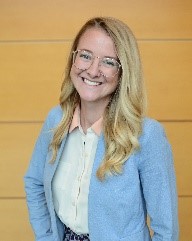
Molly Meyer
Research Scientist
Children and Family Health Division, Minnesota Department of Health
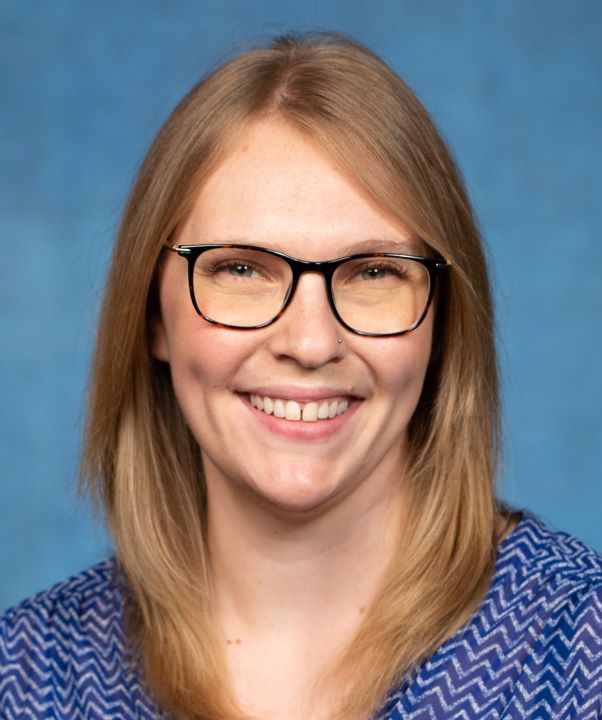
Kaitlyn Traub
Adolescent Epidemiologist
Children and Family Health Division, Minnesota Department of Health
The 2025 Minnesota Student Survey reveals a promising shift in youth mental health, marking a reversal of previously declining trends in mental wellbeing among Minnesota students. Many mental health and wellbeing indicators have improved since 2022, with some measures showing gains even compared to 2019.
This webinar will explore key components of mental wellbeing captured by the survey, including positive identity, empowerment, social connections, and other protective factors that play a critical role in supporting youth mental health. Using a composite mental wellbeing measure that examines the cumulative impact of having or lacking multiple wellbeing components, learn more about how a variety of demographics and behaviors are correlated with having high levels of mental wellbeing. Specifically, participants will gain insights into statewide trends as well as differences across geography, racial identity, gender, and sexual orientation, screen time/social media use, and physical activity. The session will conclude with a discussion on how we engage youth in these conversations and embolden the use of data to strengthen youth mental health initiatives. Online resources will also be shared to directly access survey data and allow participants to share data needs, questions, and ideas for leveraging the Minnesota Student Survey.