
Secondary menu

  • About Us
  • News & Stories
  • Translated Materials
Minnesota Department of Health logo
  • Data, Statistics, and Legislation

    Data, Statistics, and Legislation

    Statistical reports, health economics, policy, and legislation.
    Data, Statistics, and Legislation
    • Community Health
    • Diseases and Conditions
    • Environmental Health
    • Health Behaviors and Risk Factors
    • Health Care Cost and Quality
    • Reporting and Exchanging Data
    • Legislation and Policy
  • Diseases and Conditions

    Diseases and Conditions

    A-Z disease listing, diseases and conditions by type.
    Diseases and Conditions
  • Health Care Facilities, Providers, and Insurance

    Health Care Facilities and Providers

    Directories of facilities, professional certifications, health insurance and patient safety.
    Health Care Facilities and Providers
    • Facility Certification, Regulation and Licensing
    • Insurance
    • Health Information Technology
    • Provider Certifications, Licenses, Registrations and Rosters
    • Patient Health and Safety
    • Health Care Homes
    • Notices Related to Health Records
    • Rural Health and Primary Care
    • Trauma System
  • Healthy Communities, Environments, and Workplaces

    Healthy Communities, Environments, and Workplaces

    Indoor air and drinking water quality, community prevention and emergency preparedness.
    Healthy Communities, Environments, and Workplaces
    • Community Wellness and Health Equity
    • Healthy Schools and Child Care
    • Healthy Businesses and Workplaces
    • Local Public Health
    • Environments and Your Health
    • Safety and Prevention
    • Emergency Preparedness and Response
    • Equitable Health Care Task Force
    • Transforming the Public Health System in Minnesota
  • Individual and Family Health

    Individual and Family Health

    Birth records, immunizations, nutrition and physical activity.
    Individual and Family Health
    • Vital Records and Certificates
    • Disabilities and Special Health Needs
    • Disease Prevention and Symptom Management
    • Healthy Aging
    • Healthy Children, Youth and Adolescents
    • Mental Health and Well-being
    • Reproductive Rights and Protections in Minnesota
    • Women and Infants
MDH Logo

Breadcrumb

  1. Home
  2. Healthy Communities, Environment and Workplaces
  3. Farm To School
Topic Menu

Farm to School

  • Farm to School Home
  • Basics
  • Core Elements
  • Getting Started
  • Resources

Related Sites

  • Early Care and Education
  • Healthy Eating
  • SHIP

Farm to School

  • Farm to School Home
  • Basics
  • Core Elements
  • Getting Started
  • Resources

Related Sites

  • Early Care and Education
  • Healthy Eating
  • SHIP
Contact Info
Office of Statewide Health Improvement Initiatives
health.healthyeating@state.mn.us

Contact Info

Office of Statewide Health Improvement Initiatives
health.healthyeating@state.mn.us

Getting Started with Farm to School

Helpful Tips to Launch Your Effort
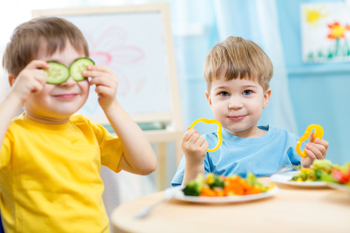
kids eating vegetablesHere are some steps to get started:

Assemble your team

Involve your school’s wellness committee, food service staff or volunteers who work in the lunchroom. Don’t forget the family and consumer sciences teacher, physical education teacher, school nurse or ag educator who would have an interest in this topic and can help bring information to students in the classroom. Students who are involved can spread the word to other students. Perhaps you have a local farmer or student farmer who would be able to provide great insight.

Determine your goals

Farm to School has three components, often referred to as the three Cs: cafeteria, curriculum and community. If possible, create goals that include all three elements. If you are just starting, keep those goals simple.

Identify the products and menu items you want to source locally

Begin sourcing

Five sourcing models are:

  • Purchase locally from a distributor
  • Locate and purchase directly from a farmer
  • Purchase at a farmers market
  • Use a “forager.” This is someone who works with the farmer and food service staff to make sure everyone’s needs are met
  • Enter into a “growing contract” with a farmer

For help finding farmers in your area, check out the Minnesota Grown Farmer Wholesale Directory.

Plan your educational outreach and promotion activities

Farm to School programs have demonstrated that students are willing to try new foods and choose healthier options. But, you have to get the word out.

Get staff on board

School staff may need more information or skills to make Farm to School successful. Consider a training on knife skills for food service staff or sharing a list of education resources with your teachers. This is a helpful step to ensure buy-in for your efforts.

Determine your evaluation plan

How are you going to know what worked and what didn’t? Some schools have surveyed students in addition to monitoring their meal participation rates; others have monitored price per serving and number of children receiving nutrition education. Set realistic expectations, work toward achieving them and determine what is working and what are the challenges. Be sure to share results with others, especially staff and parents.

Tags
  • farm to school
Last Updated: 10/03/2022
  • Facebook
  • X
  • Instagram
  • LinkedIn
  • Youtube

About MDH

  • About Us
  • Grants and Loans
  • Advisory Committees

Legal & Accessibility

  • Privacy Policy
  • Equal Opportunity
  • Feedback Form

Careers at MDH

This is an official website of the State of Minnesota. Visit Minnesota.gov for more information.