Secondary menu

  • About Us
  • News & Stories
  • Translated Materials
Minnesota Department of Health logo
  • Data, Statistics, and Legislation

    Data, Statistics, and Legislation

    Statistical reports, health economics, policy, and legislation.
    Data, Statistics, and Legislation
    • Community Health
    • Diseases and Conditions
    • Environmental Health
    • Health Behaviors and Risk Factors
    • Health Care Cost and Quality
    • Reporting and Exchanging Data
    • Legislation and Policy
  • Diseases and Conditions

    Diseases and Conditions

    A-Z disease listing, diseases and conditions by type.
    Diseases and Conditions
  • Health Care Facilities, Providers, and Insurance

    Health Care Facilities and Providers

    Directories of facilities, professional certifications, health insurance and patient safety.
    Health Care Facilities and Providers
    • Facility Certification, Regulation and Licensing
    • Insurance
    • Health Information Technology
    • Provider Certifications, Licenses, Registrations and Rosters
    • Patient Health and Safety
    • Health Care Homes
    • Notices Related to Health Records
    • Rural Health and Primary Care
    • Trauma System
  • Healthy Communities, Environments, and Workplaces

    Healthy Communities, Environments, and Workplaces

    Indoor air and drinking water quality, community prevention and emergency preparedness.
    Healthy Communities, Environments, and Workplaces
    • Community Wellness and Health Equity
    • Healthy Schools and Child Care
    • Healthy Businesses and Workplaces
    • Local Public Health
    • Environments and Your Health
    • Safety and Prevention
    • Emergency Preparedness and Response
    • Equitable Health Care Task Force
    • Transforming the Public Health System in Minnesota
  • Individual and Family Health

    Individual and Family Health

    Birth records, immunizations, nutrition and physical activity.
    Individual and Family Health
    • Vital Records and Certificates
    • Disabilities and Special Health Needs
    • Disease Prevention and Symptom Management
    • Healthy Aging
    • Healthy Children, Youth and Adolescents
    • Mental Health and Well-being
    • Reproductive Rights and Protections in Minnesota
    • Women and Infants
MDH Logo

Breadcrumb

  1. Home
  2. Healthy Communities, Environment and Workplaces
  3. Environments and Your Health
  4. Food Business Safety
  5. Safe and Healthy Indoor Play Areas
Topic Menu

Indoor Play Areas

  • Safe and Healthy Indoor Play Areas Home
  • Parents and Caregivers
  • Food Business Operators
  • Environmental Health Professionals

Environments and Your Health

  • Environments and Your Health Home
  • Air Quality
  • Children
  • Food Safety
  • Healthy Homes and Communities
  • Food, Pools and Lodging Services Section

Related Topics

  • Infectious Diseases A-Z
  • Infectious Diseases by Category
  • Injury Violence Prevention

Environmental Health Division

  • EH Division Home

Indoor Play Areas

  • Safe and Healthy Indoor Play Areas Home
  • Parents and Caregivers
  • Food Business Operators
  • Environmental Health Professionals

Environments and Your Health

  • Environments and Your Health Home
  • Air Quality
  • Children
  • Food Safety
  • Healthy Homes and Communities
  • Food, Pools and Lodging Services Section

Related Topics

  • Infectious Diseases A-Z
  • Infectious Diseases by Category
  • Injury Violence Prevention

Environmental Health Division

  • EH Division Home
Contact Info
Food, Pools and Lodging Services Section
651-201-4500
800-383-9808 (toll-free)
FPLS Contact Us

Contact Info

Food, Pools and Lodging Services Section
651-201-4500
800-383-9808 (toll-free)
FPLS Contact Us

Safe and Healthy Indoor Play Areas

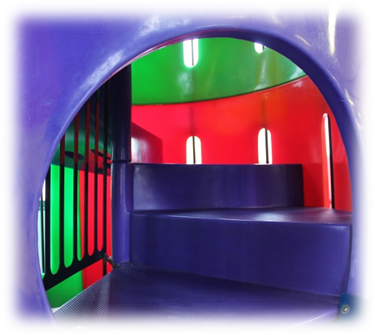
photo of indoor play equipment

Indoor play areas are popular destinations for families with young children, but can become a hazard to public health and safety if not properly maintained. Food business operators can keep indoor play areas safe and sanitary by training staff in proper inspection, cleaning, sanitation, and maintenance.

Indoor Play Areas

Indoor play areas include ground level and elevated play structures such as

  • Tunnels and slides
  • Platforms
  • Ladders, stairs and steps
  • Nets, ropes and webbing
  • Inflatables and trampolines
  • Accessories
  • Other soft contained play equipment

Hygiene and safety

Handwashing is the single most effective means of preventing the spread of bacteria and viruses, which can cause infections and illness.

  • Hand Hygiene

Noroviruses are members of a group of viruses called calciviruses also know previously as “Norwalk-like viruses.” Hand sanitizers are not effective against norovirus.

  • Norovirus Infection

The Minnesota Department of Health’s Injury and Violence Prevention Unit (IVPU) supports comprehensive programs that help reduce the risk of injury and violence.

  • Injury and Violence Prevention Unit

Parents and caregivers

Resources for parents, grandparents, day care providers and other adults who supervise children at indoor play areas.

  • Parents and Caregivers: Information About Indoor Play Areas

Food Businesses with Indoor Play Areas

Resources for operators of food businesses having indoor play areas.

  • Food Business Operators: Keeping Indoor Play Areas Safe and Healthy

Environmental Health professionals

Regulators can use authority granted in Minnesota Statutes and Rules to ensure all establishments comply with requirements.

  • Environmental Health Professionals: Regulating Indoor Play Areas
Tags
  • environment
Last Updated: 10/14/2024
  • Facebook
  • X
  • Instagram
  • LinkedIn
  • Youtube

About MDH

  • About Us
  • Grants and Loans
  • Advisory Committees

Legal & Accessibility

  • Privacy Policy
  • Equal Opportunity
  • Feedback Form

Careers at MDH

This is an official website of the State of Minnesota. Visit Minnesota.gov for more information.