
2026 Public Health Laboratory Newsroom
Minn. Public Health Lab Hosts Colleagues from Jordan’s National Lab
The Minnesota Public Health Laboratory has established a close relationship with the Central Public Health Laboratory of the Middle Eastern country of Jordan. After a successful trip to Jordan by members of the Minnesota Public Health Laboratory, the lab was honored to host three scientists from Jordan for two weeks in August 2026. They were joined by representatives from the Association of Public Health Laboratories (APHL) and the Centers for Diseases Control and Prevention (CDC).
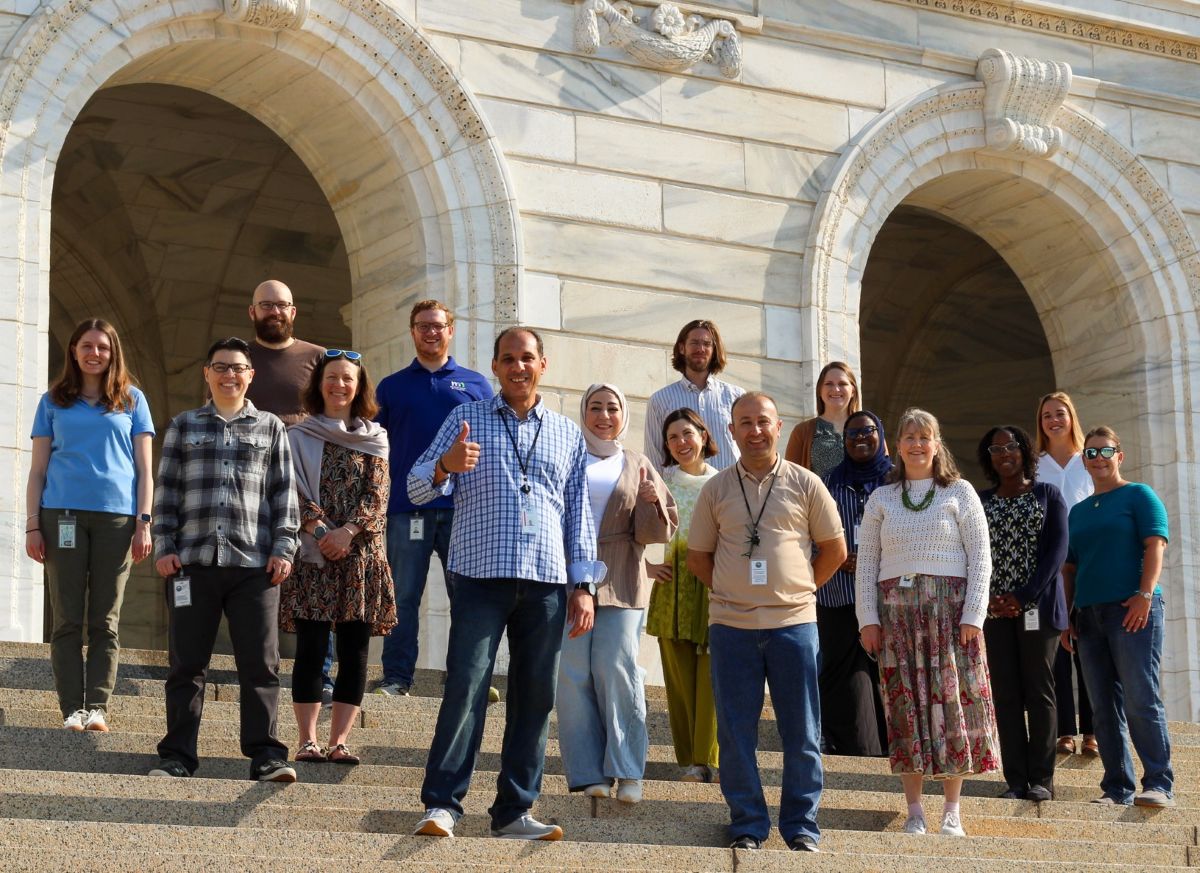 The Association of Public Health Laboratories (APHL) brought the two labs together as part of a twinning project. Jordan’s national lab was especially interested in sequencing the genomes, i.e., the full maps of genetic material, of the respiratory syncytial virus (RSV) and the virus that causes COVID-19. The Minnesota Public Health Laboratory is known as a national leader in virus genome sequencing.
The first week of the Jordanian scientists’ visit to Minnesota centered on virus genome sequencing. Within the Minnesota Public Health Laboratory, the Infectious Disease Laboratory’s Sequencing and Bioinformatics Unit is devoted to sequencing the genomes of pathogens and analyzing the resulting data. Along with discussing the processes involved, the scientists from Jordan did hands-on work preparing samples and performing sequencing.
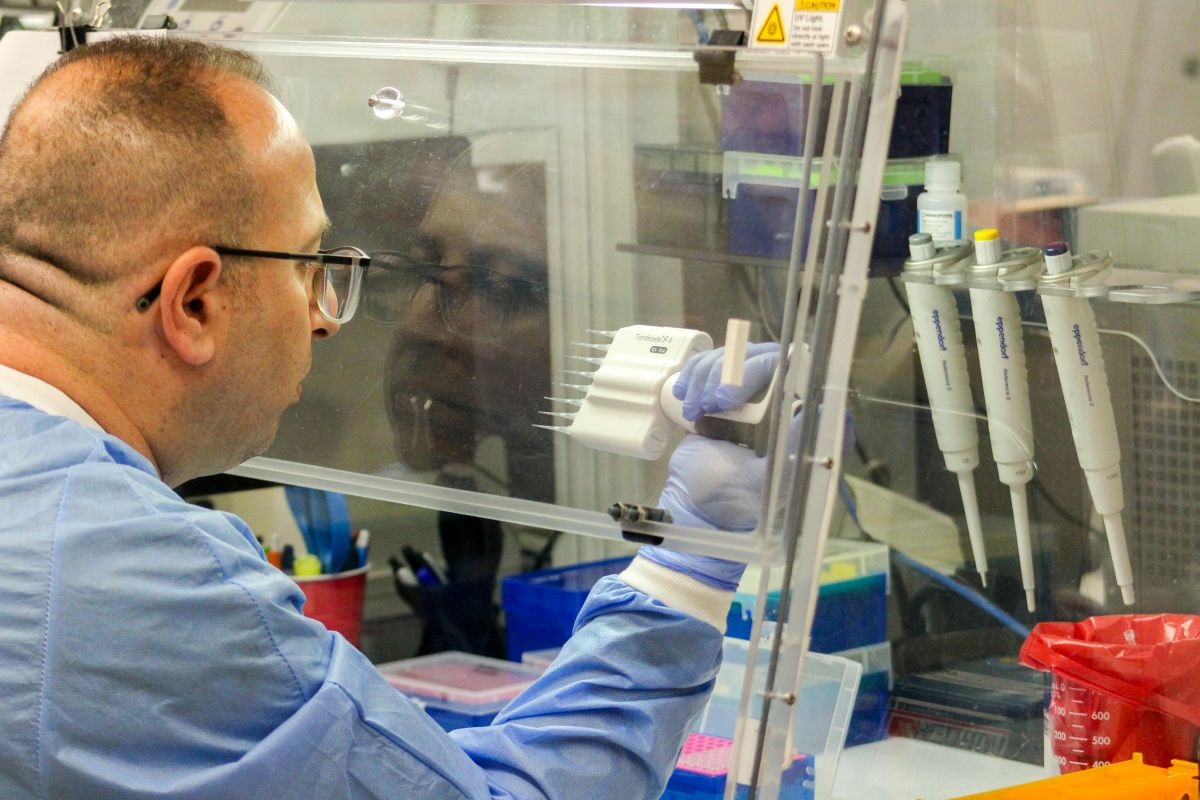 In the second week, the guests immersed themselves in the broader scope of the Minnesota lab’s work. They toured the sample acquisition and processing areas and the other units of the Minnesota Infectious Disease Laboratory: Virology, Enterics, Microbiology, and Emergency Preparedness and Response.
The guests also spoke with epidemiologists in the Minnesota Department of Health’s Infectious Disease Epidemiology, Prevention and Control (IDEPC) Division about how they collaborate with the Minnesota Public Health Laboratory. The epidemiologists gave presentations about monitoring wastewater for signs of COVID-19, flu surveillance, and other topics. The Jordanian scientists presented on their lab’s processes, exemplifying how the two labs’ relationship is based on an exchange of knowledge.
A group of scientists from Minnesota, Jordan, the APHL, and the CDC also visited the lab of Dr. Beth Thielen of the University of Minnesota - Twin Cities. Dr. Thielen works with the Minnesota Public Health Laboratory on a project concerning respiratory illness in underserved communities as part of the CDC’s Pathogen Genomics Centers of Excellence program. The group also toured the university’s Infectious Disease Diagnostic Lab, an impressive facility that processes a very high volume of diagnostic tests using automation.
 The Minnesotan scientists also showed their guests some local highlights, going to a Twins game and having meals at Sea Salt Eatery in Minneapolis and India House in St. Paul. Not only did the visit of Jordanian scientists to the Minnesota Public Health Laboratory yield an important exchange of professional knowledge; it also solidified a valuable bond between colleagues who live thousands of miles apart.
“After years of conversation and months of planning, finally meeting our Jordanian colleagues in person and realizing how much we have in common made the world feel a little smaller, in the best way,” said Laboratory Scientist Jessica Jencks of the Minnesota Public Health Laboratory.
“I had the immense privilege of traveling to Amman as part of the initial twinning visit in 2025,” said Minnesota Public Health Laboratory Research Scientist Henry Kunerth. “We received such a warm welcome from the Jordanian scientists that I knew we had to work hard to make their visit as successful as possible, on both a professional and personal level. I’m proud of what we were able to accomplish during their visit to the lab and greatly enjoyed the opportunity to deepen our friendships.”
The twinning project was 100% funded with federal funds from the Association of Public Health Laboratories Cooperative Agreement number #NU2HGH000080, funded by the United States Centers for Disease Control and Prevention. Its contents are solely the responsibility of the authors and do not necessarily represent the official views of Association of Public Health Laboratories, Centers for Disease Control and Prevention, or the United States Department of Health and Human Services.
Return to the 2026 Public Health Laboratory Newsroom.