
2026 Public Health Laboratory Newsroom
Minnesota’s Radiation Emergency Preparedness Hinges on its Public Health Lab
After the Three Mile Island accident in 1979, the federal government mandated that all nuclear power plants have an offsite response agency to respond to possible nuclear emergencies. Minnesota’s Monticello and Prairie Island nuclear power plants rely on the state’s Radiological Emergency Preparedness program. The Minnesota Public Health Laboratory plays a central role in this program.
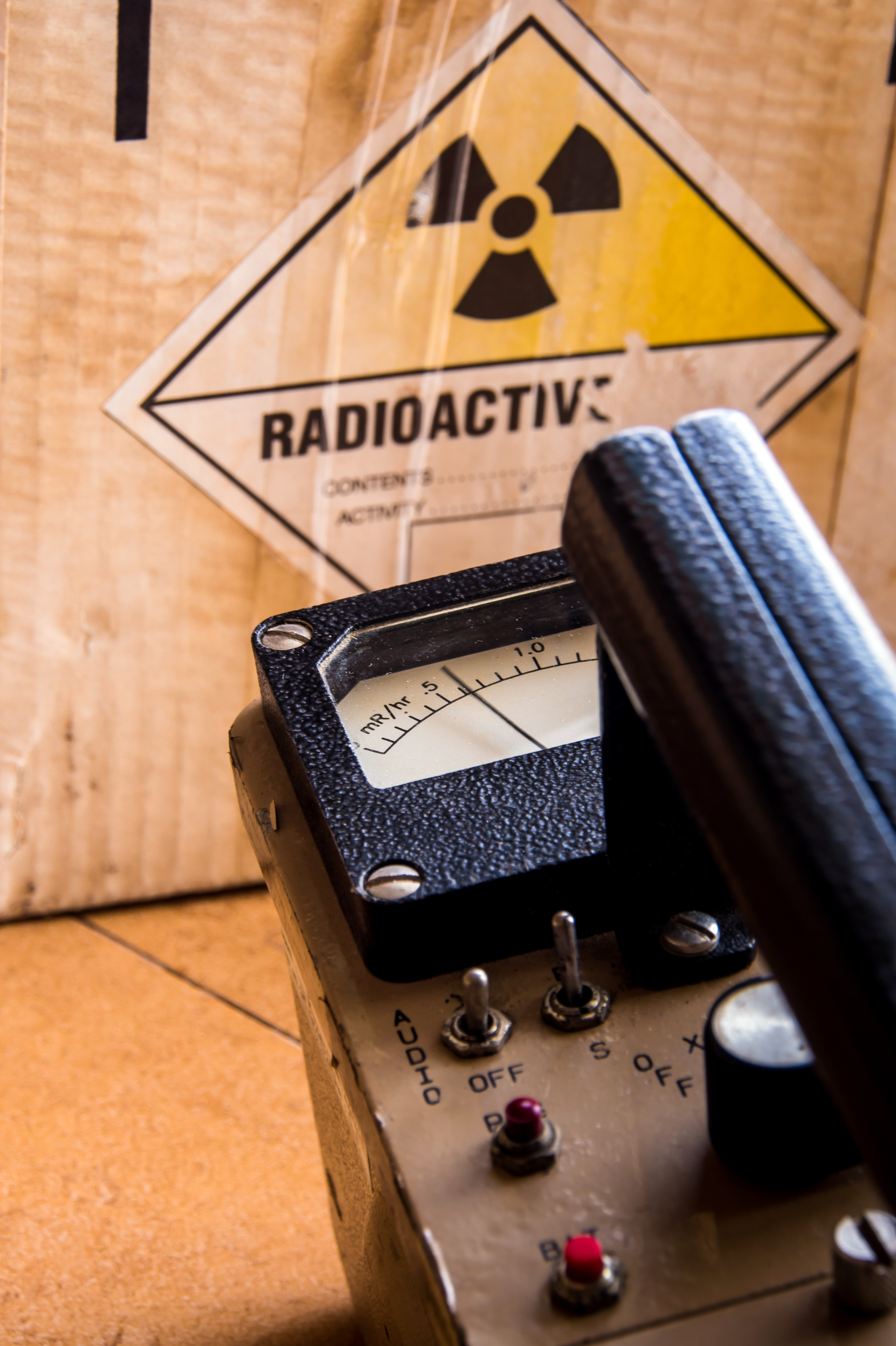 More than two dozen staff members of the Minnesota Public Health Laboratory, mostly scientists from its Environmental Laboratory, volunteer to participate in the Radiological Emergency Preparedness program. If a nuclear emergency occurs, these staff members would immediately shift to receiving and analyzing samples from air filters, water, soil, and other sources for radioactive material.
Staff volunteers undergo annual training on how to respond to a nuclear emergency. A three- to four-hour presentation explains the scientific principles involved in radiation, its health effects, and how to protect against it. It also details the Radiological Emergency Preparedness program and the role the Minnesota Public Health Laboratory must fulfill within it.
Central to the training is counteracting public misconceptions about radiation. Many types of radiation have always occurred naturally in small concentrations. Radiation is only dangerous when it reaches a certain threshold in the environment.
Practicing for an emergency
The Minnesota Public Health Laboratory’s Radiological Emergency Preparedness volunteers also run through a practice scenario each year. In real time, they run through the standard operating procedures for a nuclear emergency. They convert an area of the lab’s building into an emergency sample receiving room. This room must be fully separated from the rest of the lab. Wearing real protective equipment, the scientists receive simulated samples of water, soil, and air filters, and ready them for analysis.
In a real emergency, volunteers from the Plymouth Fire Department, the Maple Grove Fire Department, and other organizations would collect water, soil, and air filter samples from the area surrounding the accident. They would then send the samples to the Minnesota Public Health Laboratory to test for radioactive contamination. Three shifts of six to eight lab staff members per shift would test samples 24 hours a day. The lab would generate data and send it to the planning and assessment center within the Division of Homeland Security and Emergency Management of the Minnesota Department of Public Safety.
A real emergency at a nuclear power plant is managed in three distinct phases:
- The plume phase lasts until the nuclear power plant stops emitting radioactive material. Everyone within a 10-mile radius of the plant may have to evacuate. In this phase, the Minnesota Public Health Laboratory begins to identify the radioactive elements that have been released.
- When the plume phase is over, the ingestion phase begins. There remains a danger that people and animals could ingest radioactive material, particularly within a 50-mile radius of the power plant.
- In the recovery phase, testing continues until radiation is determined to be at a safe level for evacuees to return.
The Minnesota Department of Agriculture and the Department of Natural Resources also have roles in the Radiological Emergency Program. Radiation could suffuse not only soil, water, and air, but also livestock, wildlife, plants, mushrooms, honey, milk, etc. The program is regulated by the Federal Emergency Management Agency (FEMA) and coordinated by Division of Homeland Security and Emergency Management of the Minnesota Department of Public Safety.
Regular monitoring for radioactive contaminants
Beyond the work of the Radiological Emergency Program, the Minnesota Public Laboratory checks water samples every day for hundreds of contaminants, including radioactive material. Every other week it tests air filters from the area surrounding each Minnesota nuclear power plant. Its scientists use specialized equipment that can detect particles at concentrations of one part per trillion, and for some contaminants, even lower.
Return to the 2026 Public Health Laboratory Newsroom.