
2026 Public Health Laboratory Newsroom
With Measles on the Rise, Minnesota’s Lab Takes Leadership Role
In 2000, measles was declared eliminated in the United States, according to the Centers for Disease Control and Protection (CDC). Recently, however, the highly contagious disease has made a comeback because of lower vaccination rates.
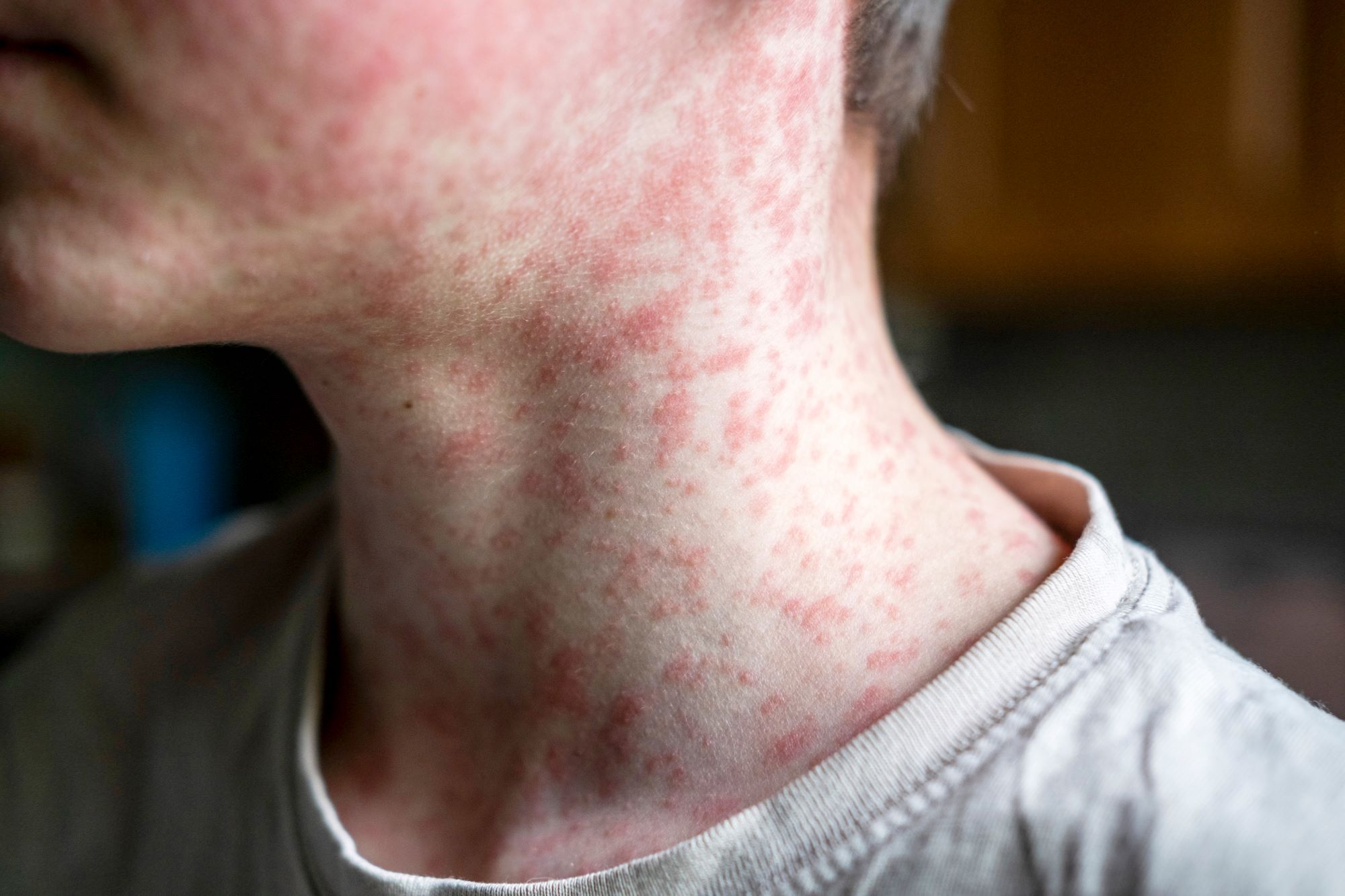 While there were fewer than 250 confirmed measles cases nationwide each year from 2000 through 2013, CDC statistics show more than 2,200 in 2025 and at least 580 in January 2026 alone. These statistics do not include most of the cases in an outbreak in South Carolina, which have exceeded 900 at this writing. (Read about measles and its incidence in Minnesota in the Minnesota Department of Health’s Measles section.)
Because measles was so rare for so many years, hospitals and clinics seldom have the ability to test for it. Instead, they send samples from patients to private or public health laboratories to test for measles. These labs then send results back to hospitals and clinics to make diagnoses. Some labs also collect information about measles outbreaks (not including any information that could identify individual patients) and share it with state epidemiologists and the CDC.
Minnesota’s Lab: One Of Four National Centers for Measles
The Minnesota Public Health Laboratory is one of the few laboratories in the United States that has conducted complex measles testing throughout the last few decades. It is one of four Vaccine Preventable Disease Reference Centers, along with the state labs of California, New York, and Wisconsin. Eleven other states, ranging from Washington to Indiana to Texas, have been sending samples to the Minnesota Public Health Laboratory to test for measles and seven other diseases: mumps, rubella, varicella-zoster, enterovirus, B. pertussis, N. meningitidis, and H. influenzae.
The four Vaccine Preventable Disease Reference Centers also assist each other when volumes of submissions get especially high. The demand for testing can vary wildly. In 2025, other state labs sent 661 samples to Minnesota’s lab to analyze for measles. In 2024, it handled 109 submissions from other states, and in 2023, only 20. These totals do not include samples sent to the lab from Minnesotan hospitals and clinics.
As part of a program run by the Association of Public Health Laboratories, the Minnesota Public Health Laboratory is helping other state labs bring on complex measles testing. After a large measles outbreak in Texas in 2025, its state lab quickly gained the ability to analyze measles samples.
Minnesota’s Early Adoption of Complex Pathogen Testing
While more private and public laboratories are now able to identify measles within samples, still very few can conduct the sort of complex analyses necessary to track outbreaks. This involves genotyping, i.e., examining the DNA of the measles virus in each sample. By comparing genotypes of many samples, public health institutions can track how the virus is spreading and changing.
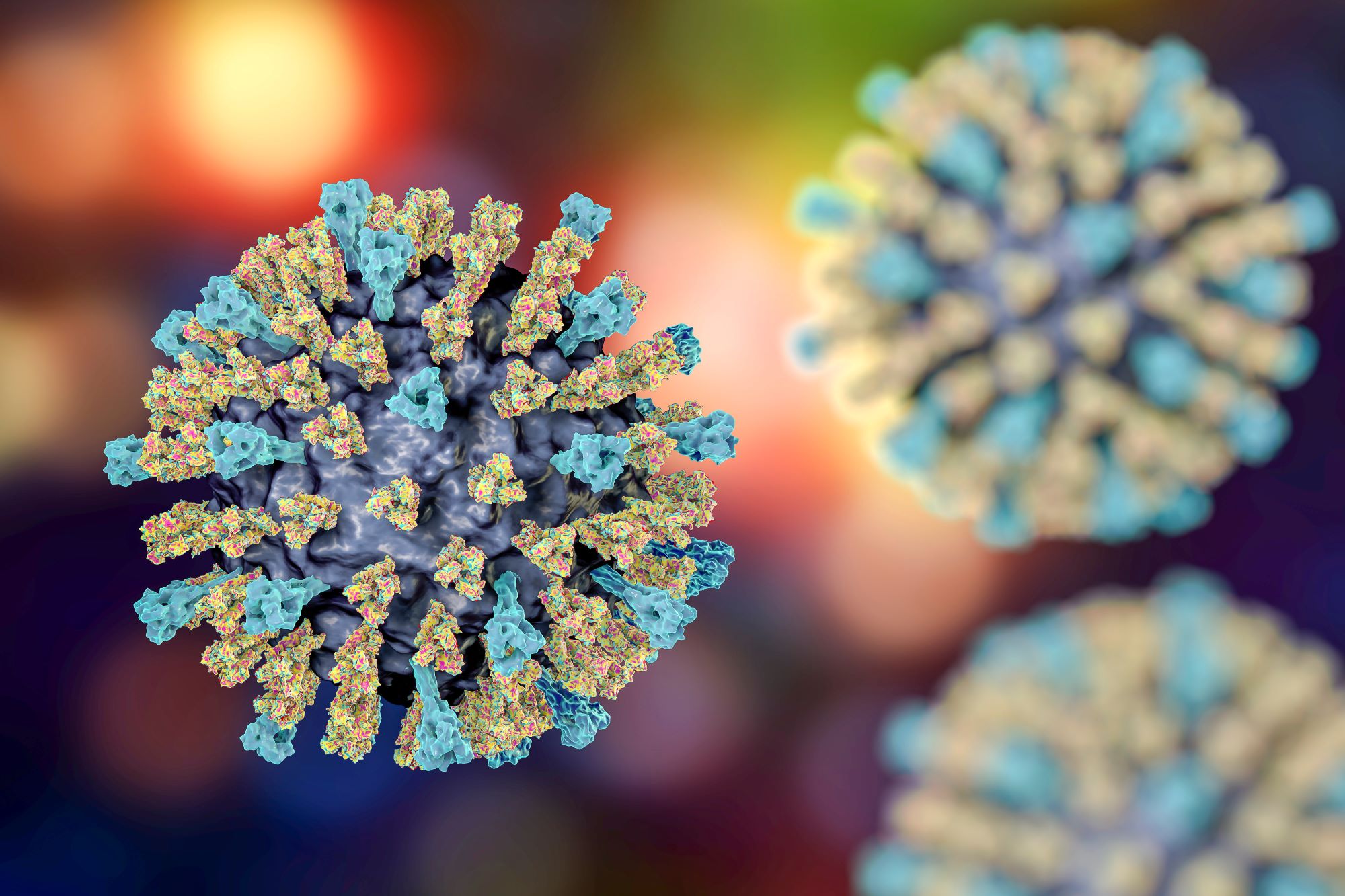 The Minnesota Public Health Laboratory gained an early ability to genotype viruses. In 2000 it brought on new technology as part of an emerging infections program, genotyping foodborne pathogens like E. coli and Salmonella. Now the lab has staff with the specific skills and expertise to conduct the advanced molecular testing necessary to analyze the measles virus. It is one of many examples demonstrating why the Minnesota’s lab is a national leader in combating infectious disease; see the 2025 Minnesota Public Health Laboratory Newsroom for more examples.
Return to the 2026 Public Health Laboratory Newsroom.