
2026 Public Health Laboratory Newsroom
Water Contaminants Emerging in Wake of PFAS
When the Environmental Protection Agency (EPA) finalized new regulations for per- and polyfluoroalkyl substances (PFAS) in 2025, the Minnesota Public Health Laboratory had already been tracking the so-called “forever chemicals” for more than 20 years. The lab was one of the first in the nation to regularly test surface and ground water for PFAS. The information gathered by the Public Health Laboratory and the Minnesota Pollution Control Agency proved very valuable for establishing national PFAS regulations. (Read more at PFAS: First New Drinking Water Contaminant Since 1996 and PFAS Monitoring Expanded to Fish, Non-Potable Water.)
Thanks to funding from the Clean Water Fund, the Minnesota Environmental Laboratory, a section of the Public Health Laboratory, now has an Emerging Contaminants Unit devoted to testing water for PFAS and other contaminants that have recently aroused concern. These other emerging contaminants are not yet regulated to the extent that PFAS are. The methods and data created by the Minnesota Public Health Laboratory and other institutions are necessary to determine what steps to take next.
It is more cost-effective to test these emerging contaminants at the Minnesota Public Health Laboratory than to spread testing among many other labs. The Minnesota Public Health Laboratory has a concentration of expertise in these specific contaminants. It also has the flexibility to test Minnesota waters for other emerging contaminants as they are identified and become important to track.
The Emerging Contaminants Unit and the Minnesota Pollution Control Agency are tracking the following emerging contaminants:
 Tire wear: Tires contain a compound called 6PPD to help prevent them from cracking. 6PPD reacts with ozone in the air and becomes 6PPD-quinone. When tires wear down through contact with roads, 6PPD-quinone travels from roads to rivers and other surface water.
Recent studies have shown that 6PPD-quinone is lethal to several species of fish. Salmon is vulnerable to concentrations as low as 10-100 parts per trillion of 6PPD-quinone in water. The Emerging Contaminants Unit is currently refining methods for analyzing water for 6PPD-quinone and other degradants from tires.
Estrogen compounds: There is ample evidence that several estrogen compounds act as endocrine (i.e., hormone) disruptors, affecting the ability of fish and other animals to reproduce. These compounds are shed by agriculture, animals, and human beings through both runoff and wastewater. The Emerging Contaminants Unit has a fully validated process for testing water for four estrogen compounds.
Corrosion inhibitors: Corrosion inhibitors are chemicals used to make stainless steel and other metals resistant to rust. They are also in deicing fluids, detergents, textiles, and tires, and are used as additives in the manufacture of plastics. Research into the health effects of corrosion inhibitors indicates that chronic exposure can increase the chances of cancer, DNA mutations, and hormonal disruptions. The Emerging Contaminants Unit has completed analyses of water samples for nine different compounds of corrosion inhibitors.
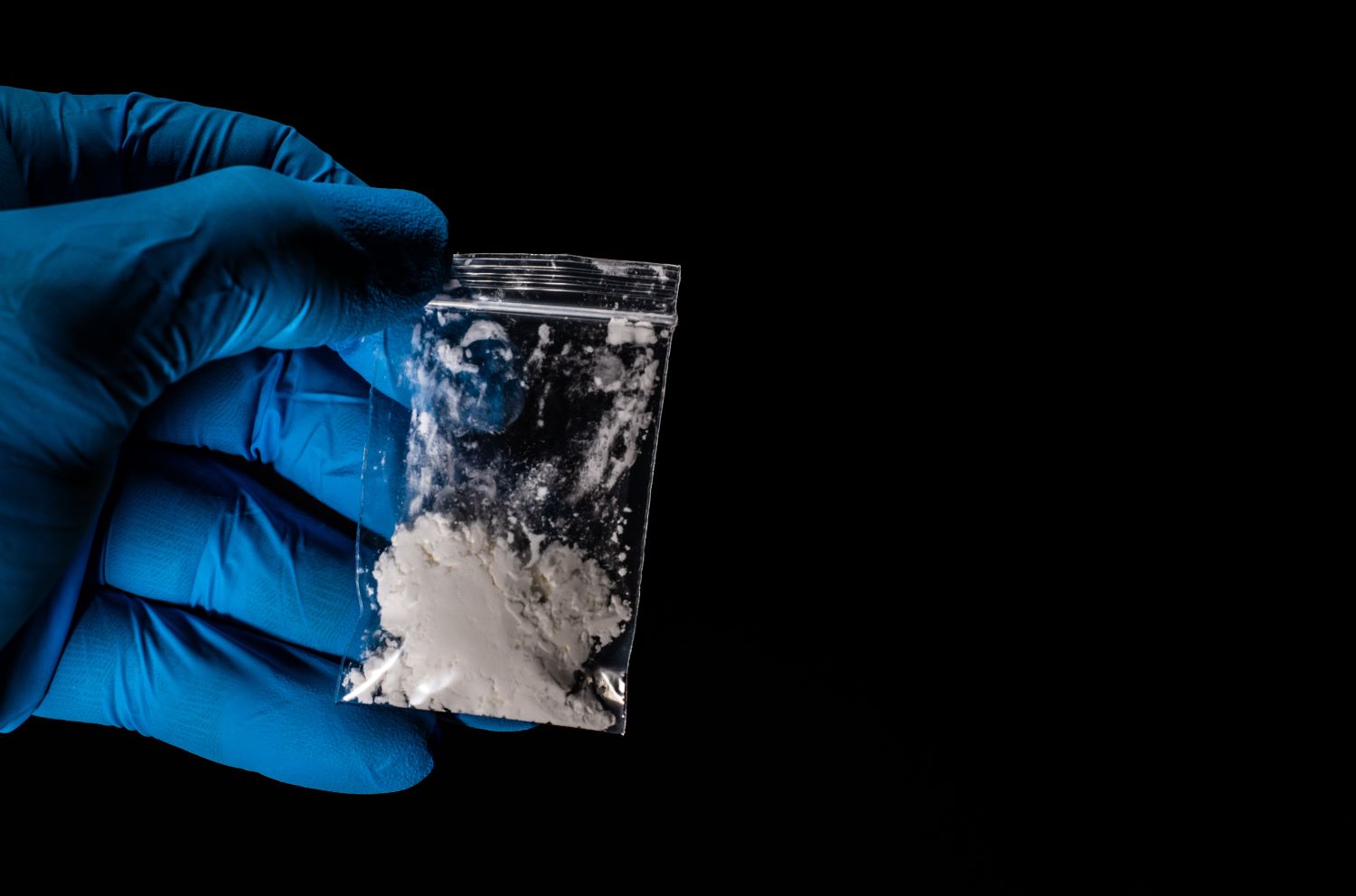 Drugs of abuse: The Emerging Contaminants Unit is validating tests of water for ten drugs of abuse, including cocaine, fentanyl, amphetamines, and methamphetamine. There are many concerns about the environmental impacts of these substances. A recent study indicates that after being exposed to fentanyl, cocaine, and ketamine, oyster larvae become slower and otherwise behave unnaturally.
Pesticides: In collaboration with the Drinking Water Ambient Monitoring Program, the Emerging Contaminants Unit is creating a reference library of hundreds of pesticide compounds. This will enable the unit to analyze samples for a wider range of pesticides and other contaminants.
The above contaminants may someday join PFAS, arsenic, lead, and the many other substances that laboratories routinely test water for across the United States. The proactive work done by the Minnesota Public Health Laboratory and other institutions is vital for meeting emerging threats to water safety. This work is funded by the Clean Water Land & Legacy Amendment.
Return to the 2026 Public Health Laboratory Newsroom.