
2026 Public Health Laboratory Newsroom
Mosquito- and Tickborne Virus Seasons in the Minn. Public Health Lab
As Minnesotans venture outside in the spring, ticks and mosquitos are there to meet them. Ticks and mosquitos spread arboviruses, which may cause vectorborne disease.
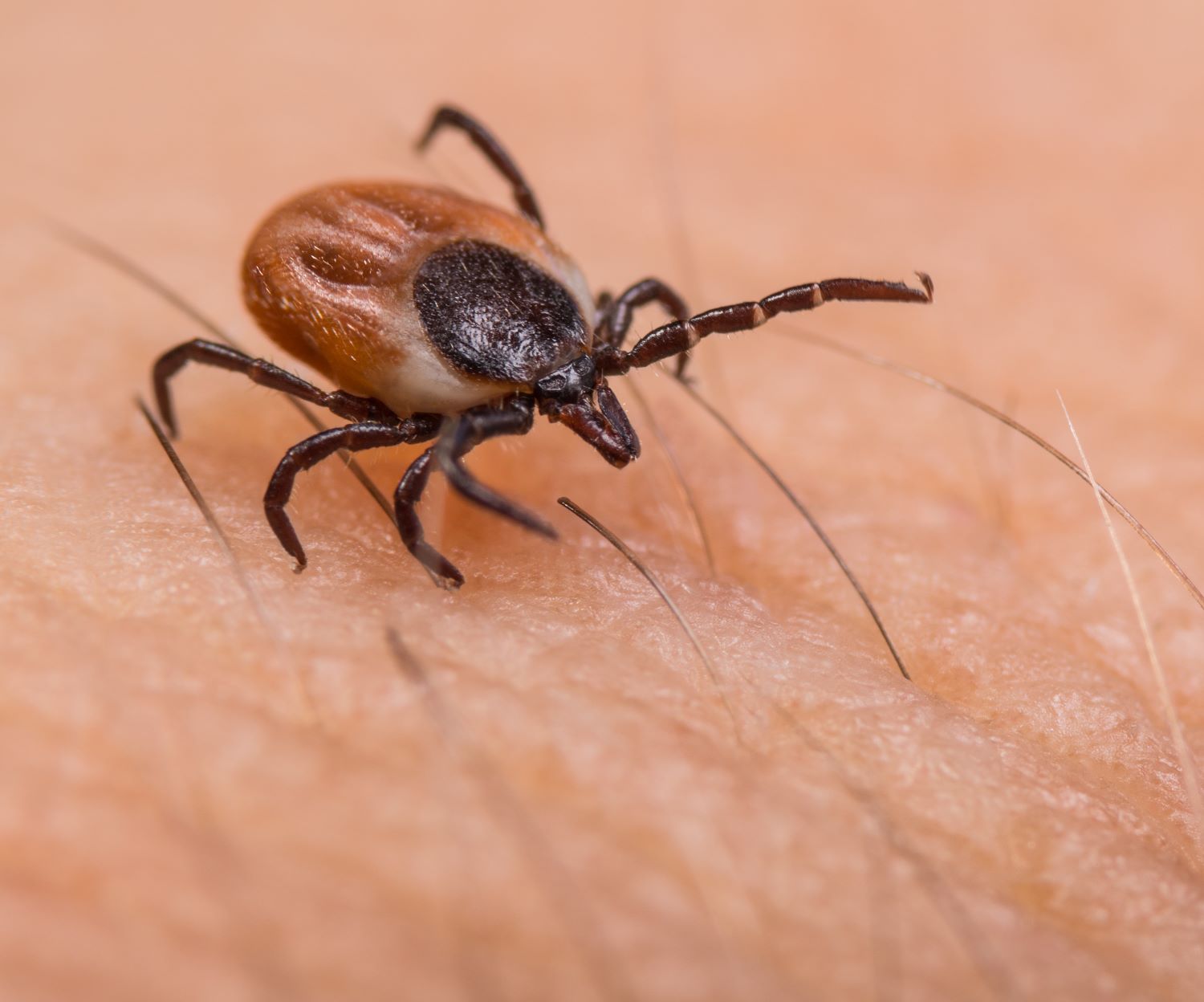 If a clinic or hospital admits a patient that is believed to have a vectorborne disease, it must notify the Minnesota Department of Health, per the Reportable Disease Rule. The lab encourages the clinic or hospital to submit a sample from the patient to be analyzed for the virus or, more often, the specific antibodies that the immune system creates to fight the virus.
The Minnesota Public Health Laboratory tests for many of the arboviruses endemic to Minnesota, including:
- West Nile virus: Spread by mosquitoes, West Nile virus is almost entirely contracted in summer and fall, with a peak in August. The Minnesota Public Health Laboratory begins West Nile virus testing on May 1.
- Powassan virus: The ticks infected with Powassan virus become active when the temperature reaches 40 degrees. The lab starts testing samples for Powassan virus on April 1, with most positive specimens coming in spring and fall.
- Jamestown Canyon virus: When the snow melts in the spring, mosquitoes begin spreading the Jamestown Canyon virus. The Minnesota Public Health Laboratory begins testing for the disease on April 1, and the season lasts through summer.
The 2025 arbovirus season was busy at the Minnesota Public Health Laboratory, resulting in 141 tests of cerebrospinal fluid and 152 of blood. Of the confirmed cases, a large majority were for West Nile virus. The numbers are still being finalized, but it is likely that at least three times as many Minnesotans had cases of West Nile virus in 2025 than in 2024.
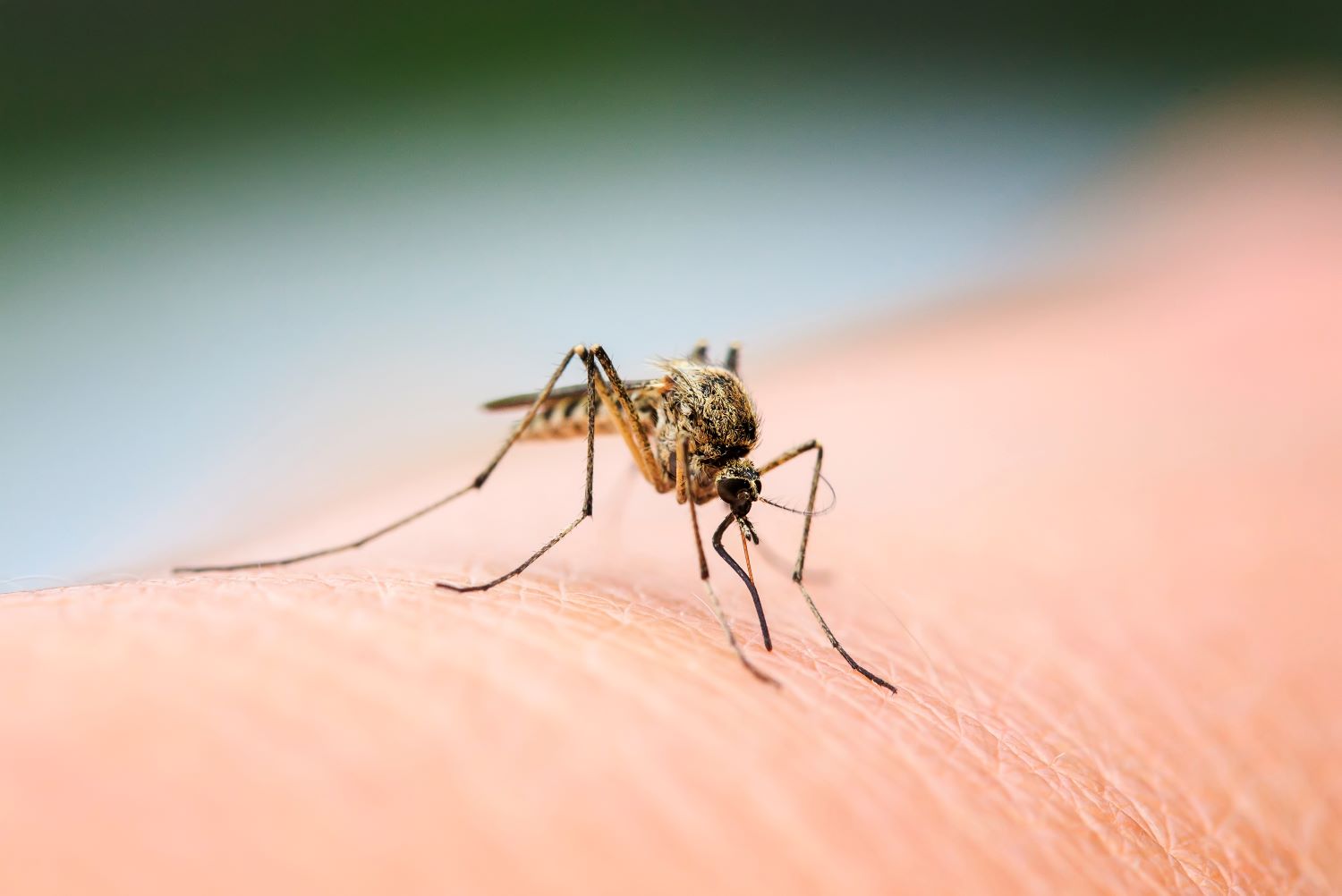 Analyzing samples for the above diseases is a laborious process that can last three days. The Minnesota Public Health Laboratory is one of very few facilities in the state capable of this testing. It was one of the first labs in the United States to test for the Powassan and Jamestown Canyon viruses and is currently helping other states’ public health labs bring testing online.
Assisting with diagnoses and monitoring disease spread
The Minnesota Public Health Laboratory conducts arbovirus testing in part to help confirm diagnoses. While there is no treatment for arbovirus infections, a diagnosis can help health care professionals avoid unnecessary interventions intended for other diseases.
Another vital reason to test samples for arboviruses is to monitor their spread. The lab works with epidemiologists in the Infectious Disease Epidemiology, Prevention and Control (IDEPC) Division to gather data about each case, which is then sent to the Centers for Disease Prevention and Control (CDC).
Because of climate change, mosquitoes and tick species are spreading beyond their typical habitats. Specific arboviruses are being found in areas that have never seen them before. The monitoring done by The Minnesota Public Health Laboratory, the CDC, and other institutions is essential for preparing health care systems for imminent threats.
Return to the 2026 Public Health Laboratory Newsroom.