
2025 Public Health Laboratory Newsroom
Monitoring the Flu Season in the Minn. Public Health Lab
In late November 2025, national news articles were warning of an especially brutal 2025/2026 flu season. A primary reason for concern was a strain of influenza H3N2 causing a surge of cases overseas.
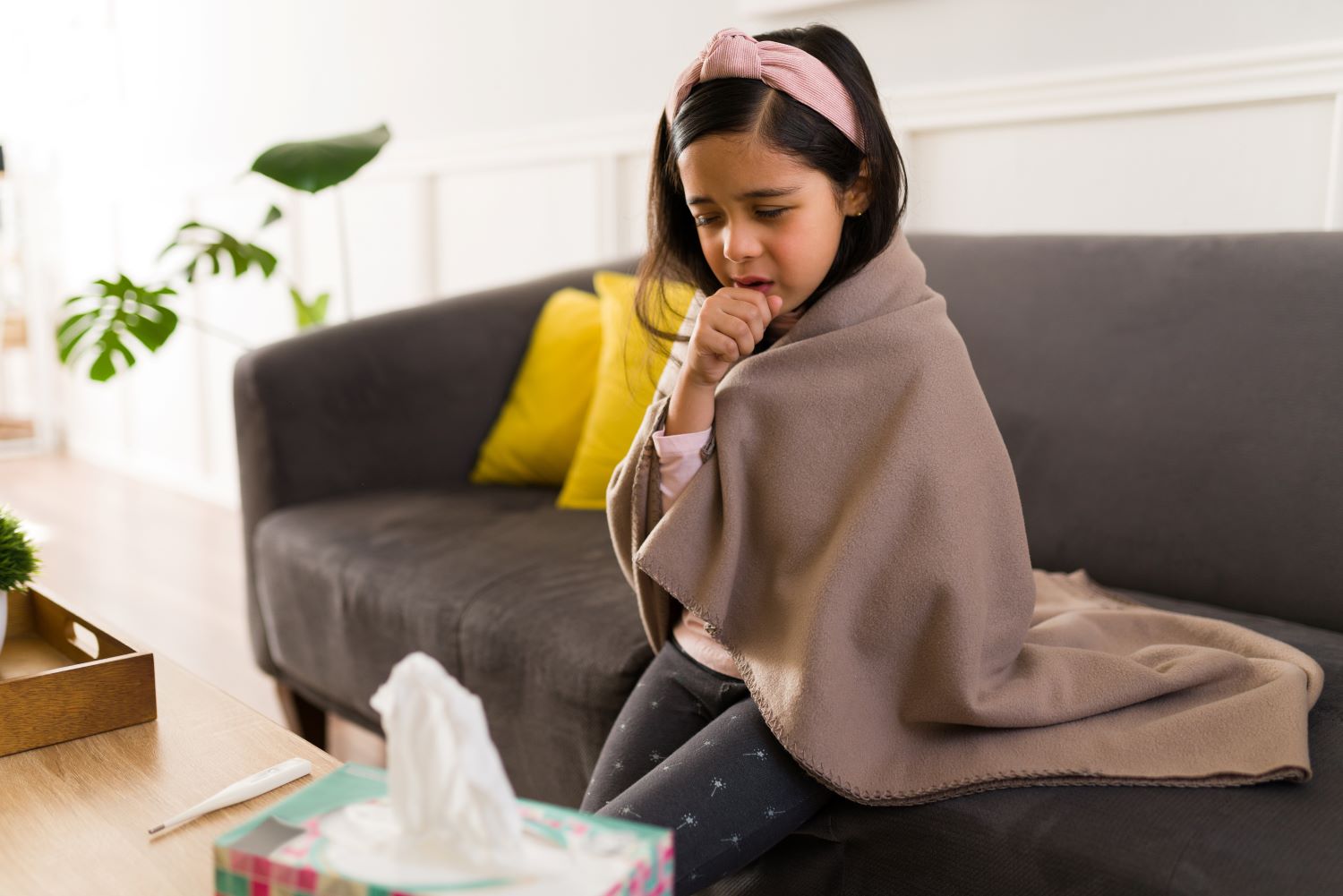 The Minnesota Public Health Laboratory, a division of the Minnesota Department of Health, is carefully monitoring the flu strains circulating in Minnesota. At the peak of flu season from December through February, hospitals and clinics may send the lab more than 100 samples from patients each day. (See the latest data about the current flu season at the Minnesota Department of Health’s Situation Update for Influenza.)
Hospitals and clinics determine whether their patients have the flu, but they do not always test to see which strain of the influenza virus is infecting each patient. The scientists of the Minnesota Public Health Laboratory’s Infectious Disease Laboratory use a technology called polymerase chain reaction (PCR) to identify the flu virus strain present in each sample. The lab has already adapted its PCR testing to detect the new strain of influenza H3N2.
The Minnesota Public Health Laboratory sends a portion of these live virus samples to the Centers for Disease Control and Protection (CDC). For some samples, the lab will also use whole-genome sequencing (WGS) to map out the virus’s entire genome, i.e., a complete set of genetic material. Any unusual result will be quickly sent to the CDC.
Why you need a new flu vaccine every year
Some viruses, such as the one that causes measles, do not change often. Thus, the vaccine that prevents you from contracting measles rarely needs to be updated. If you were immunized for measles as a child, it is very unlikely you will ever contract the disease.
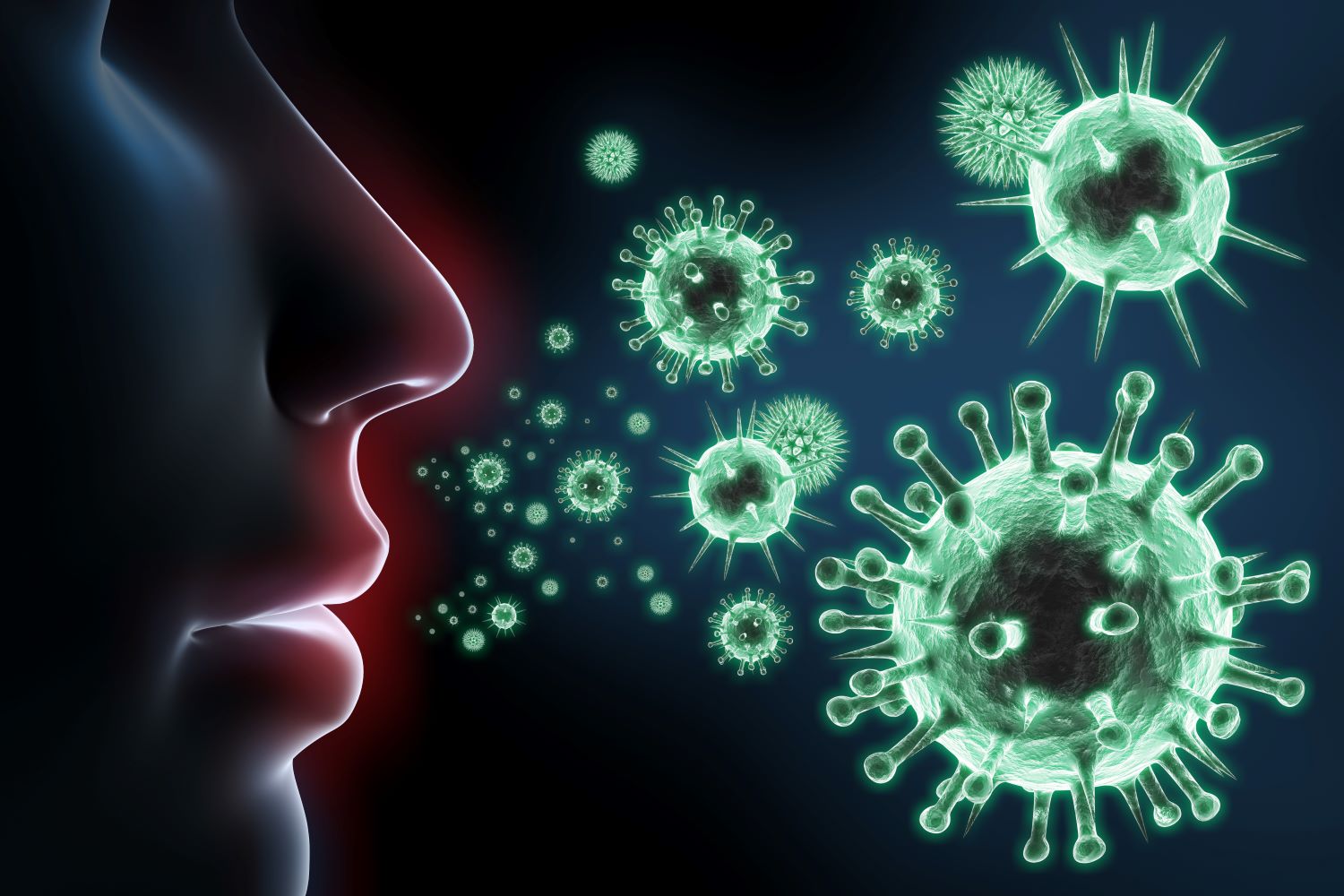 The influenza virus, on the other hand, can develop into new strains very easily. Sometimes these strains adapt in such a way as to evade the effects of the flu vaccine. The flu vaccine must be updated every year to keep up with these changes.
Each year’s flu vaccine must be created around six months before flu season begins. The current vaccine was finalized before the latest H3N2 strain was detected in large numbers in the Southern Hemisphere.
However, there are always many flu strains circulating at once. At this writing, the new H3N2 strain represents a small percentage of the flu viruses that people are encountering. If you contract the virus, it will likely be one of the older strains that the vaccine is designed to fight. Vaccination is always the best method of prevention, as it may prevent more severe complications due to influenza, even if the strain is not a good match to the vaccine.
If the new H3N2 strain becomes dominant, however, the monitoring done by Minnesota Public Health Laboratory, along with other public health laboratories and the CDC, will be critical. Only through this public-health-based virus monitoring, called “surveillance,” can we know how the flu virus is changing. This information will be used to create the next vaccine.
Could the flu vaccine become more adaptable to strains like H3N2?
The current flu vaccine targets the outer coating of the virus, which changes often. These changes enable the virus to evade vaccines, enter your cells, and make you sick.
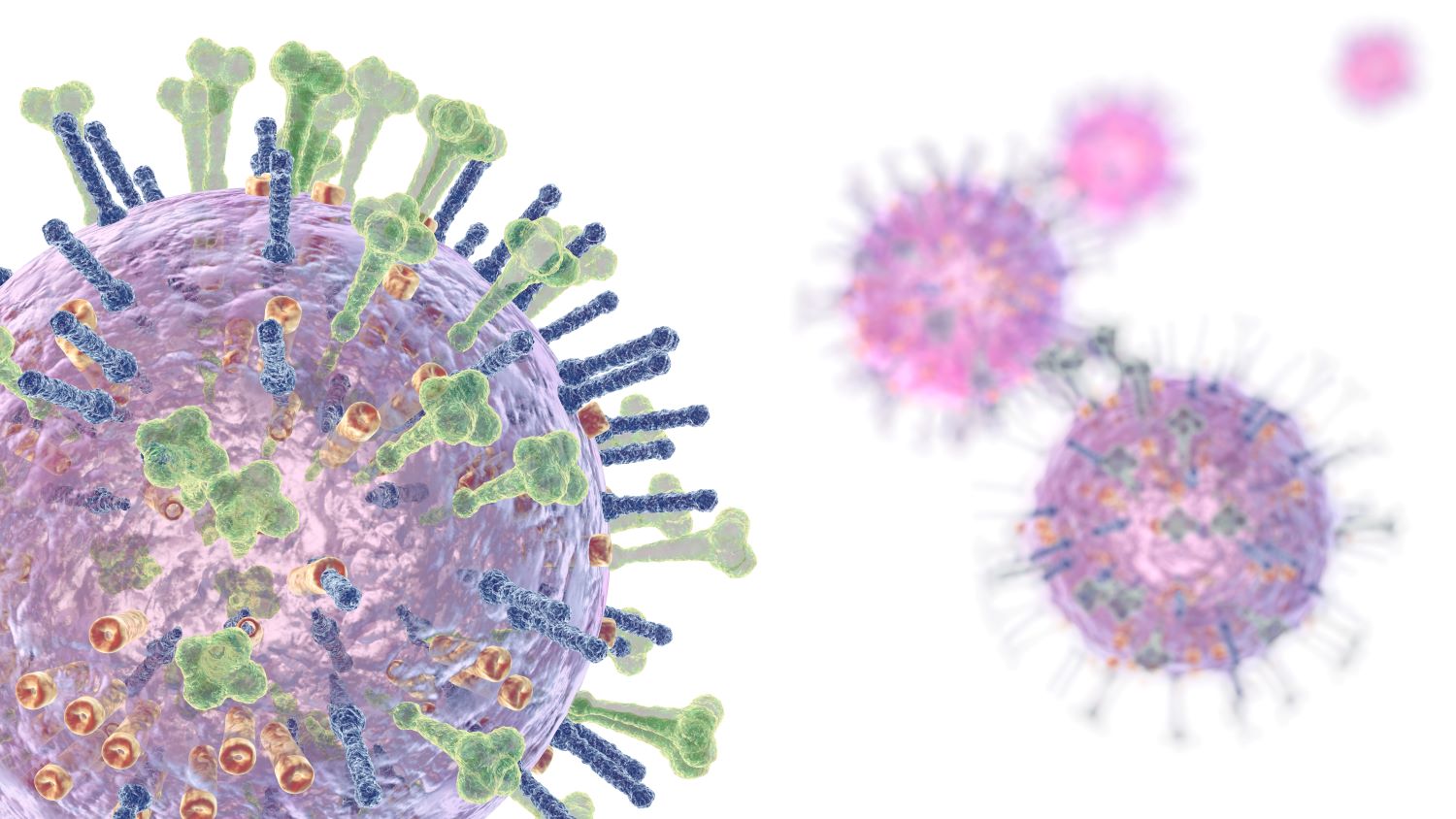 A promising new “mRNA model” of vaccine construction would target an inner layer of the influenza virus, called the stem. The stem of the virus changes much less frequently. Newer strains like H3N2 have different outer layers but much the same stems as older strains. By targeting the stem, a vaccine made with the mRNA model could require much less than 6 months of lead time for updates.
The mRNA model vaccine is still undergoing clinical trials. At this stage it only works for certain strains and still requires annual updates. Researchers are optimistic that someday it could result in a universal flu vaccine.
The Minnesota Public Health Laboratory and the rest of the American public health infrastructure will be ready to adapt to any changes to the influenza virus and its vaccine. It will continue the critical work of tracking how the virus changes and what effects it has on the public.
Return to the 2025 Public Health Laboratory Newsroom.